


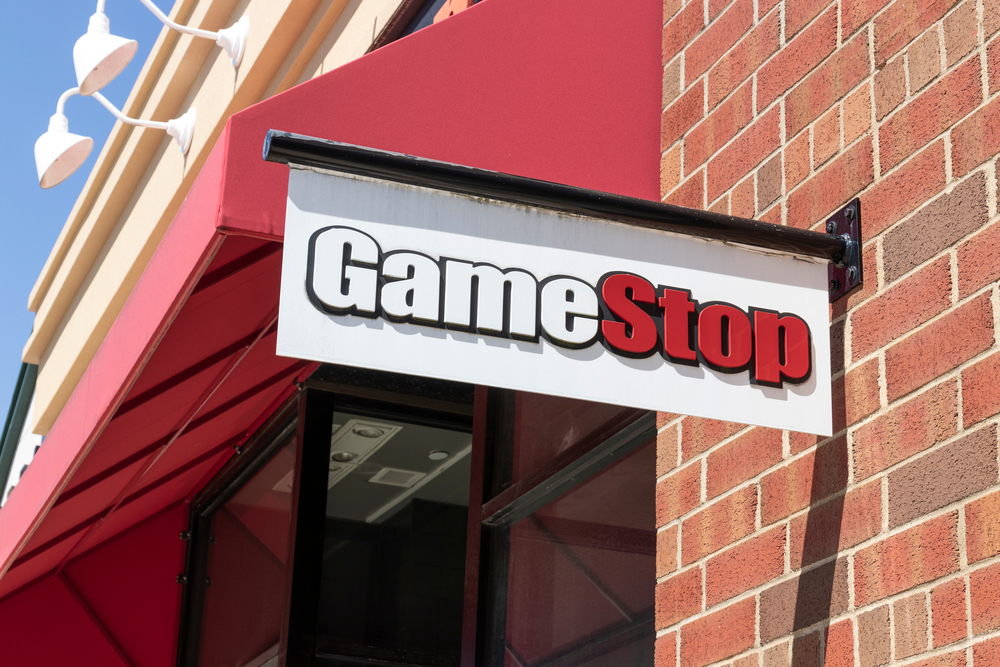
GameStop wants to buy eBay. All $56 billion of it.
The gaming retailer’s CEO Ryan Cohen has made a formal approach to acquire eBay in a deal that would rank among the most audacious corporate moves in recent memory. The proposed bid values eBay at $125 per share, combining cash and stock, with the total equity value of the transaction estimated at $55 billion. News of the offer sent eBay shares surging more than 8% in premarket trading on Monday — while GameStop’s own stock slipped more than 3%, a split reaction that captures just how divided the market is on whether this deal makes any sense at all.
Cohen’s Vision for a Retail Reinvention
The pitch Cohen is making is not a straightforward acquisition play. GameStop’s proposal envisions transforming its roughly 1,600 U.S. retail stores into drop-off and shipping hubs for eBay products — a physical infrastructure play designed to give the e-commerce platform something it has never had: a nationwide brick-and-mortar presence.
The plan also includes live sales broadcasts from GameStop locations, showcasing eBay inventory in an interactive format that blurs the line between physical retail and digital commerce. The concept is ambitious, and it reflects Cohen’s broader belief that there is a significant opportunity to build something much larger out of eBay’s existing platform — which he has described as the second largest commerce franchise in the country.
Cohen is not coming into this cold. GameStop has been quietly accumulating eBay shares since February and currently holds a 5% stake in the company, suggesting the bid has been in the works for months.
The Numbers Behind the Deal
The financial logic Cohen is presenting rests heavily on cost reduction. eBay spent $2.4 billion on sales and marketing in fiscal 2025, a figure that yielded only one million net new active buyers — a return that GameStop’s leadership views as deeply inefficient. The company believes it can deliver $2 billion in annualized cost savings within a year of closing the deal, a projection that would dramatically improve eBay’s profitability if it holds up under scrutiny.
Should the acquisition move forward, Cohen is expected to serve as CEO of the combined entity. His compensation would be tied directly to the performance of the new company — a structure designed to align his incentives with shareholders and signal that he is betting on himself as much as on the deal itself. Cohen currently owns roughly 9% of GameStop.
From Meme Stock to M&A
The arc of GameStop’s recent history makes this moment all the more striking. Cohen took over as CEO in 2023, stepping in to lead a company that had been struggling to find its footing in a gaming landscape increasingly dominated by digital downloads and streaming services. His arrival came after GameStop’s now-legendary 2021 meme stock moment, when a wave of retail investors drove the company’s share price up by roughly 1,000% in the span of two weeks.
That frenzy faded, but GameStop’s stock has held up better than many expected — shares are up more than 30% this year heading into this announcement. Cohen has used that relative stability, along with a significant cash reserve the company built up during the meme stock era, to position GameStop as a vehicle for something bigger than game cartridge sales.
A Bet That Could Define an Era
The market’s split reaction to the eBay bid reflects genuine uncertainty about whether Cohen can pull this off. Acquiring a company of eBay’s scale is a different challenge entirely from turning around a struggling retailer, and the integration of 1,600 physical stores into an e-commerce operation has no real precedent to draw from.
What is not in question is the ambition. Cohen is explicitly framing this as a challenge to Amazon’s dominance in e-commerce — a goal that is either visionary or wildly overreaching depending on who is doing the analysis. The coming weeks will determine whether eBay’s board is willing to engage seriously with the offer, and whether the broader market comes around to Cohen’s way of seeing it.
