


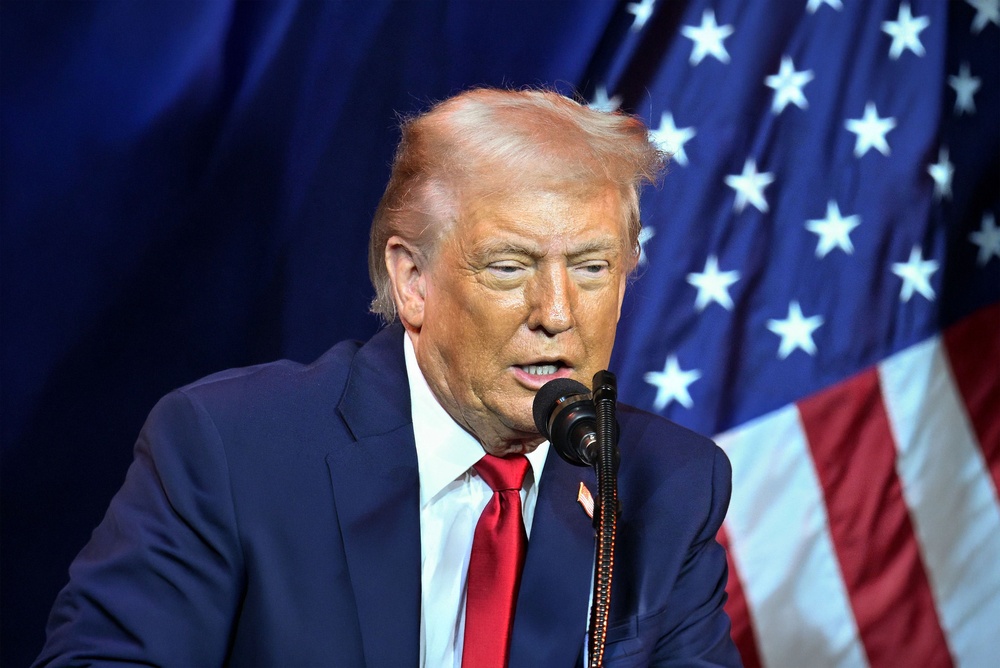
A growing number of Republican senators are signaling resistance to renewed pressure from Donald Trump to eliminate the filibuster, underscoring a rare moment of divergence within the party.
Despite the former president’s continued influence over GOP politics, Senate leaders appear unwilling to move forward with such a significant procedural change. John Thune, the Senate majority leader, has indicated there are not enough votes within the Republican conference to support ending the long-standing rule.
The divide highlights a broader tension between loyalty to party leadership figures and the institutional priorities that have historically shaped Senate decision-making.
Why the filibuster remains a sticking point
The filibuster has long been one of the Senate’s most debated procedural tools. It allows a minority of lawmakers to extend debate and delay or block legislation, effectively requiring a supermajority to advance most bills.
For many Republicans, the rule represents more than just a political tactic. It is seen as a defining feature of how the chamber operates, ensuring that sweeping legislation cannot pass without some level of bipartisan agreement.
Calls to eliminate the filibuster have intensified in recent years, particularly around issues tied to election laws and voting procedures. However, skepticism remains strong among GOP lawmakers who view such a move as a fundamental shift in how power is balanced in Congress.
3 reasons GOP senators are hesitant
The reluctance among Republican senators can be traced to several key concerns shaping their approach to the issue.
Protecting Senate tradition
Many lawmakers see the filibuster as central to preserving the Senate’s identity. By requiring broader consensus, it forces negotiation and gives minority voices a platform. Removing it could fundamentally alter how legislation is debated and passed.
Weighing political risks
With future elections always on the horizon, GOP senators are mindful of how major procedural changes could be perceived by voters. Eliminating the filibuster may energize some supporters, but it could also alienate moderates who favor institutional stability over rapid change.
Managing internal divisions
The Republican Party continues to navigate differing priorities among its members. While some align closely with Trump’s agenda, others are more focused on economic policy, healthcare and governance. For these senators, the push to eliminate the filibuster may feel like a distraction from more immediate legislative goals.
Leadership signals caution
Thune’s remarks reflect a broader sentiment among Republican leadership that caution should guide any discussion about altering Senate rules. While acknowledging Trump’s continued influence, party leaders are emphasizing the importance of long-term consequences over short-term political wins.
Other GOP senators have echoed similar views, reinforcing the idea that the filibuster remains an essential part of the legislative framework. Their stance suggests that, at least for now, there is little appetite for sweeping procedural reform within the party.
What it could mean for future legislation
The outcome of this debate carries significant implications for how laws are passed in Washington.
If the filibuster were eliminated, the majority party would gain the ability to move legislation forward more quickly, potentially reshaping the pace and scope of policy changes. However, that efficiency could come at the cost of increased partisanship and reduced collaboration across party lines.
For Republicans, the concern is not only about the present moment but also about future control of the Senate. Any rule change made today could benefit the opposing party down the line, adding another layer of complexity to the decision.
Public opinion adds pressure
Public views on the filibuster remain divided, adding further pressure to an already complex issue. Some Americans argue that removing the rule would lead to more decisive governance, while others believe it serves as a necessary safeguard against unchecked power.
As lawmakers weigh their options, they must balance these competing perspectives while maintaining party unity and institutional credibility.
A defining moment for GOP unity
The ongoing debate over the filibuster is shaping up to be a defining moment for the Republican Party. The resistance from GOP senators highlights an internal balancing act between political allegiance and legislative responsibility.
While Trump continues to advocate for change, Senate Republicans appear determined to proceed carefully, prioritizing stability over swift transformation. How this issue unfolds could influence not only the party’s direction but also the broader legislative landscape in the years ahead.
