


Haitian culture, history and resistance took center stage in Chicago on one of the diaspora’s most meaningful days of the year.
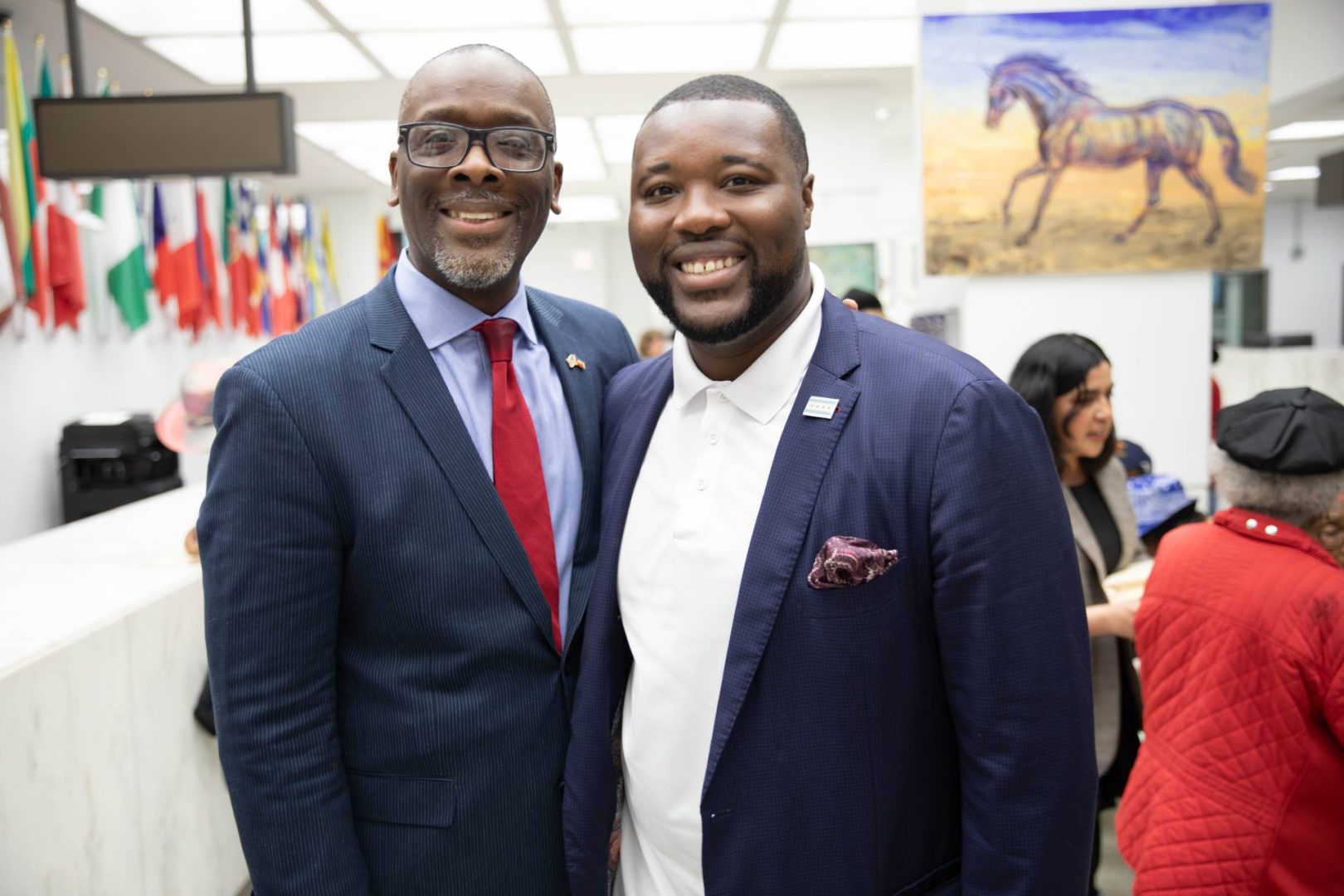
On May 18, Cook County Treasurer Maria Pappas hosted a reception for the diaspora following the public Flag Raising Ceremony at Daley Plaza. The celebration, marking Heritage Month and Flag Day, brought together public officials, civic leaders and residents in a unified display of cultural pride.
More than 40,000 people from Haiti and its broader diaspora live in Chicago and the surrounding Cook County area, contributing to the region’s cultural, civic and professional landscape in ways that continue to shape the city’s identity.
The Flag That Started a Revolution
Haitian Flag Day traces its roots to 1803, when the flag was created during the revolution — a defining moment that led to the defeat of French colonial rule and established Haiti as the first independent republic born from a successful uprising against enslavement in modern history.
That legacy is not merely symbolic. The red and blue Haitian flag has long inspired movements across the globe, with several nations drawing from its color scheme as a symbol of liberation and self-determination. For members of the diaspora, May 18 carries the weight of courage, sacrifice and an identity forged through resistance.
Patrick Brutus, vice president of the Haitian American Professional Network and a member of the Coalition of Haitian American Organizations in the Chicagoland Area, was instrumental in organizing the event. He emphasized that the day’s theme — unity, heritage, freedom and community — remained central to every decision made in planning the ceremony.
Brutus also drew a powerful local connection, noting that the flag rose above a city skyline built on the legacy of Jean Baptiste Point DuSable, widely recognized as the founder of Chicago.
Haitian Leaders Recognized at Cook County Reception
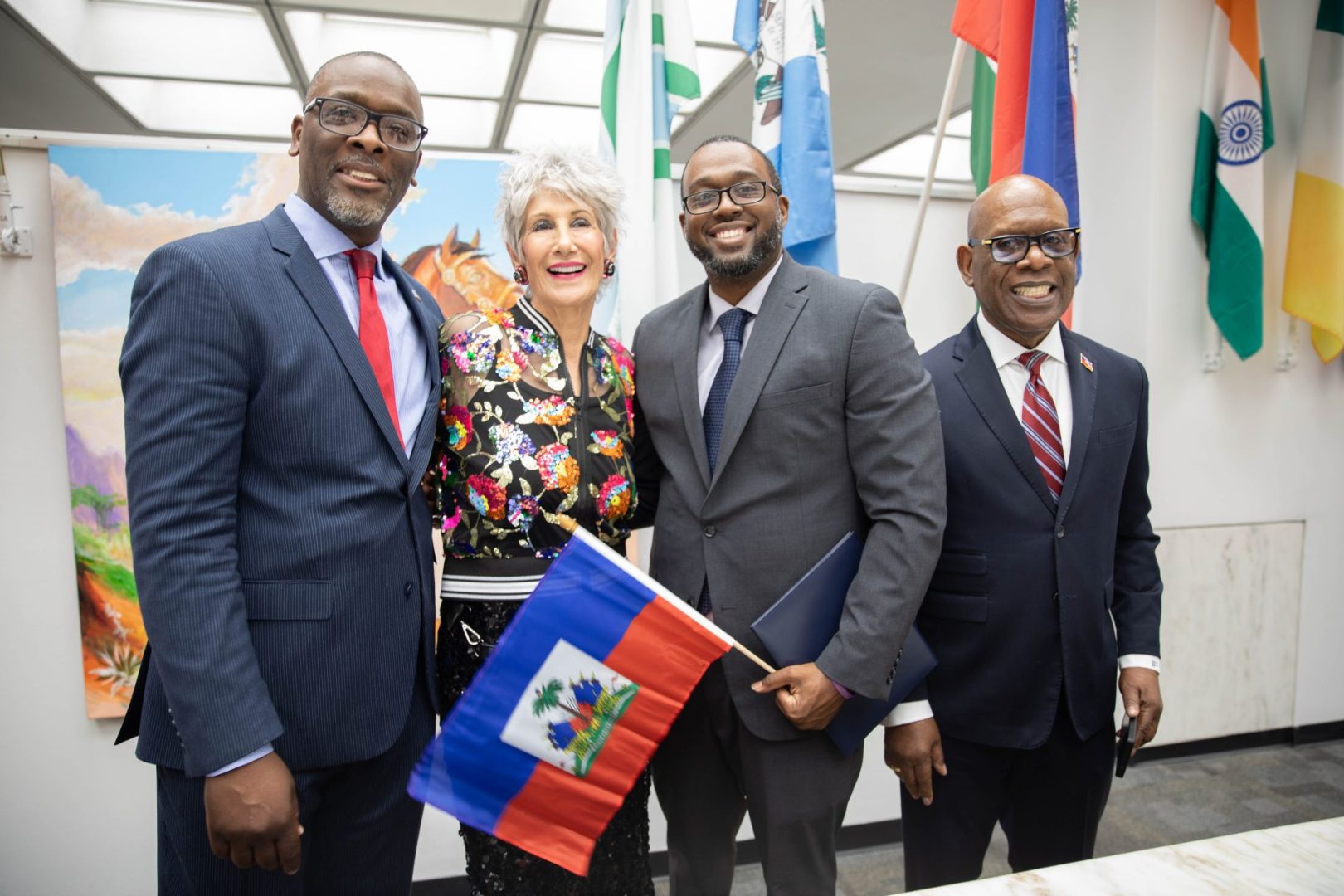
Following the Daley Plaza ceremony, Pappas hosted a reception at the Cook County Treasurer’s Office, located at 118 N. Clark St. During the gathering, she presented Certificates of Excellence to Haiti’s Consul General in Chicago and several members of the diaspora community.
The honorees were recognized for leadership, service and contributions that have strengthened communities across Cook County and beyond. They included
- Jean Joseph Leandre, consul general of the Consulate General of Haiti in Chicago
- Frantz Jacques, administrative agent and vice consul of the Consulate General of Haiti in Chicago
- Cyndee Newman, president of Daughters of Haiti
- Lionel Jean-Baptiste, president of Haitian Congress to Fortify Haiti
- Patrick Brutus, vice president of the Haitian American Professional Network
The recognition reflected Pappas’ sustained commitment to uplifting the diverse communities that define Cook County’s civic fabric — and a clear acknowledgment of the outsized role Haitian organizations play in building civic engagement from the ground up.
Heritage Month and Its Reach
Haitian Heritage Month extends well beyond a single day. It celebrates history, art, language, food, music and traditions that continue to influence communities worldwide. In Chicago, the community has built formidable networks through advocacy, professional development, cultural preservation and grassroots service — networks that have made a measurable difference in the lives of tens of thousands of residents.
The month also creates space for younger generations to engage with a history that predates the founding of many modern nations. For children and young adults who grew up in the diaspora, Heritage Month is often their most direct connection to the depth of their roots.
The May 18 events at Daley Plaza reinforced what many in attendance already know — this history is inseparable from the broader global struggle for liberation and dignity.
A Celebration Rooted in Legacy
From the birth of the Haitian flag in 1803 to the thriving organizations leading change in Cook County today, Flag Day stands as more than a commemoration. It is a living declaration of identity, resilience and the enduring power of a people who refused to be defined by oppression.
What unfolded at Daley Plaza on May 18 was not just ceremony — it was continuity. The same spirit that drove a revolution more than two centuries ago still moves through the streets of Chicago, carried forward by leaders, families and communities who refuse to let that story fade.
That story — from revolution to recognition — was on full display in the heart of the city.
