


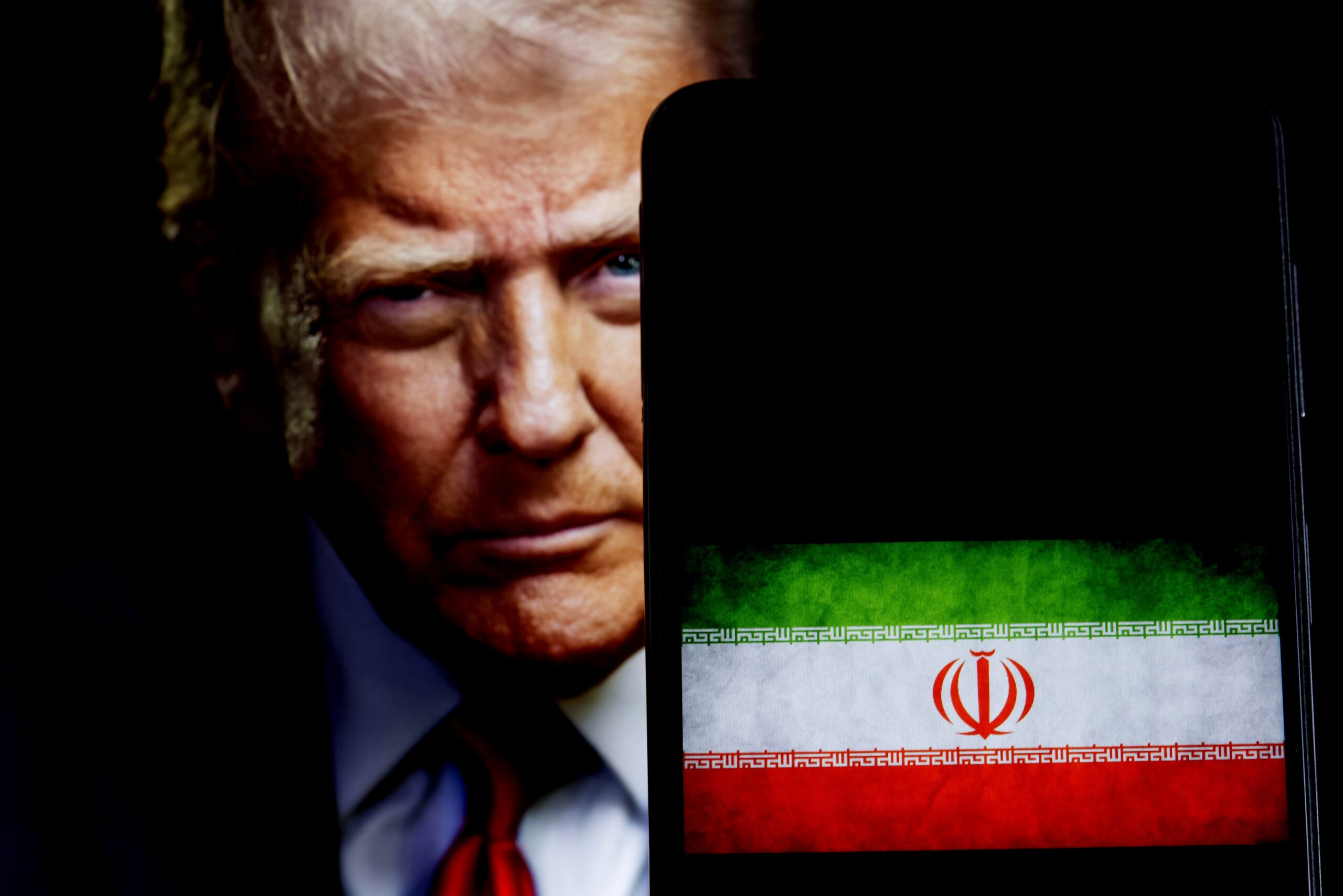
The memorandum of understanding between the United States and Iran was less than a week old when the talks meant to build on it collapsed. Switzerland had prepared a luxury lakeside resort for the next round of negotiations. Air Force Two sat on a runway outside Washington ready to carry Vice President JD Vance to the talks. At 3 a.m. Swiss time on Friday, a message arrived from Washington: Vance was not coming. No explanation was given and no new date was set.
Diplomats later said Iran had pulled out to protest Israeli strikes in Lebanon, where Israel continues to fight with Hezbollah, an Iranian ally. The reversal capped a week that had already been defined by confusion about what the agreement actually said, who had signed it, when it took effect, and what it required of either side.
A deal that nobody could explain the same way twice
The memorandum of understanding was announced by Trump on Sunday as a complete deal. Within an hour of that announcement, he walked back the characterization, saying the Strait of Hormuz would reopen once the agreement was formally signed on Friday rather than immediately. The White House announced Vance had already signed the document on Sunday, then announced there would be a second signing with a ceremony on Friday. Before Friday arrived, Trump and Iranian President Masoud Pezeshkian re-signed the document during a dinner at Versailles, with French President Emmanuel Macron present.
The text of the memorandum took days to become public. When it did, American and Iranian officials were describing its contents in significantly different terms. American leaders attributed provisions to the deal that did not appear in its text. The White House offered conflicting timelines for when the document would be released, with some officials saying within 24 to 48 hours and others saying not until Friday. The Strait of Hormuz, which the memorandum stated would reopen immediately upon signing, had still not fully cleared when the next round of talks fell apart.
The agreement also does not resolve the central question of Iran’s nuclear program. That issue is deferred to a 60-day negotiating period that has now begun under circumstances of significant uncertainty. Vance said that 60-day clock had already started. Whether it means anything while talks are suspended is unclear.
What the document actually offers and what critics say about it
The memorandum contains 14 provisions. Critics who have reviewed the text argue that 13 of them amount to diplomatic boilerplate or substantive concessions to Iran, including de facto acknowledgment of Iranian control over the Strait of Hormuz, economic concessions, and military concessions. Iran’s commitment in return is a pledge not to develop or acquire nuclear weapons, a promise Iran has made and walked away from previously.
The comparison to the Iran nuclear agreement negotiated under the Obama administration, from which Trump withdrew during his first term by calling it the worst deal ever negotiated, is one that critics have raised directly. That earlier agreement was described by foreign policy analysts as less costly to the United States, less generous to Iran, and more concrete in its nonproliferation guarantees than the current memorandum.
American intelligence agencies have expressed doubt about Iran’s sincerity in honoring the new commitments, according to reporting on the CIA’s internal assessments.
Republican skeptics and the midterm calculation
The deal is drawing criticism not just from foreign policy analysts but from within the Republican Party itself. Several Republican senators have raised public concerns about the memorandum’s terms. One Louisiana senator called it the worst foreign policy blunder in decades and suggested former President Ronald Reagan would be appalled. Another expressed no confidence that Iran would follow through on its nuclear commitments.
Senator Lindsey Graham of South Carolina, who had been skeptical of negotiating with Iran, said after speaking with U.S. envoy Steve Witkoff that he believed signing the memorandum would benefit the United States insofar as the Strait of Hormuz would open and hostilities would stop. He stopped short of a broader endorsement.
The political stakes have sharpened as Americans grow more skeptical of Trump’s handling of the war. The conflict, which began with joint U.S. and Israeli strikes on Iran in February, has driven elevated gas prices that are feeding broader economic anxiety. November’s midterm elections are approaching, and the administration is under pressure to show that the memorandum represents genuine progress rather than the beginning of a longer and more complicated entanglement.
What Israel’s role means for everything that follows
The most immediate threat to the agreement is Israel. The memorandum requires hostilities in Lebanon to end, but American intelligence agencies believe Israel is likely to continue launching attacks on Hezbollah forces there. Israeli Prime Minister Benjamin Netanyahu and members of his government have publicly criticized the memorandum. The countries that started the war together now disagree sharply about how to end it.
Iran’s decision to pull out of the Switzerland talks in protest of the Lebanese strikes signals that the memorandum’s durability is directly tied to a conflict the United States does not fully control. Whether the 60-day negotiating period produces anything meaningful depends in part on decisions being made in Jerusalem as much as in Washington or Tehran.
Trump has expressed optimism publicly, describing the deal as done and the second stage of negotiations as likely to be easier than the first. The events of the past week have not yet validated that assessment.
