


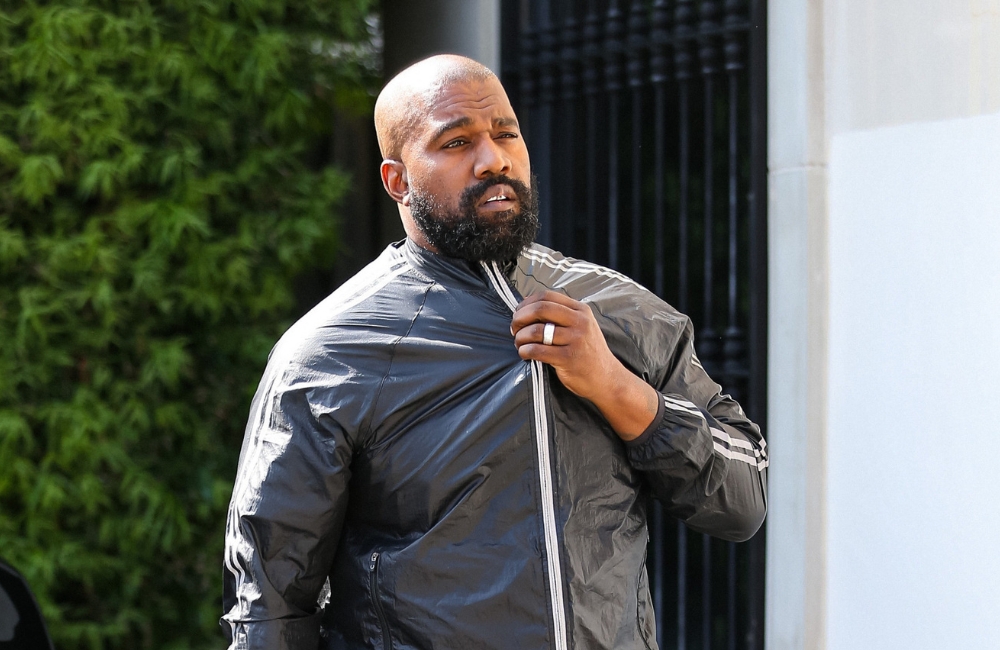
Before French authorities could formally close the door, Kanye West opened it himself and walked away. The rapper and fashion mogul, who performs under the name Ye, announced on Tuesday night that he was postponing his concert in Marseille indefinitely, a decision that came as France’s interior ministry confirmed it was actively looking into ways to prevent him from taking the stage in the country’s oldest city.
The announcement landed with little fanfare but plenty of weight. West made his position clear through a post on X, offering no timeline for when or whether the show might be rescheduled. The move came just days after mounting pressure from local officials reached a boiling point.
Marseille’s mayor drew a hard line
Marseille’s mayor had already made the city’s stance unmistakable weeks before the postponement. In an early March post on X, he declared that the Vélodrome, the storied stadium where the concert had been planned, would not serve as a platform for what he described as hatred and antisemitism. The message was pointed and unambiguous. West, in his view, was not welcome.
That kind of public opposition carries real moral force, but legally, the path to an outright ban was never straightforward. France’s highest administrative court has established that local authorities can only prohibit a performance under a narrow set of conditions, specifically when statements at an event risk constituting a criminal offense and when public order is genuinely at risk. Those are high bars to clear.
Still, France’s interior minister took the matter seriously enough to arrange a meeting with both the mayor and the regional prefect to explore options for keeping West off the Marseille stage.
A pattern taking shape across Europe
The Marseille situation did not emerge in a vacuum. Just over a week earlier, the United Kingdom denied West entry into the country altogether. He had been booked to headline a major London music festival in July, but the British government moved to block his arrival, with the prime minister weighing in to say the invitation should never have been extended given West’s history of antisemitic statements. Sponsors began pulling out of the event shortly after the government’s position became clear. The festival was ultimately cancelled.
West responded by expressing openness to dialogue with local Jewish community leaders, but the gesture came too late to salvage the event.
What comes next for Ye
The postponement in Marseille adds another chapter to what has become a complicated and contentious year for the artist. Across Europe, governments and institutions are drawing sharper lines around what kind of platform they are willing to offer him. Whether that pressure translates into any lasting change in how West navigates his public persona remains an open question.
For now, Marseille’s Vélodrome will stay quiet. And the debate over where the line falls between artistic freedom and accountability for harmful speech is growing louder by the week
