


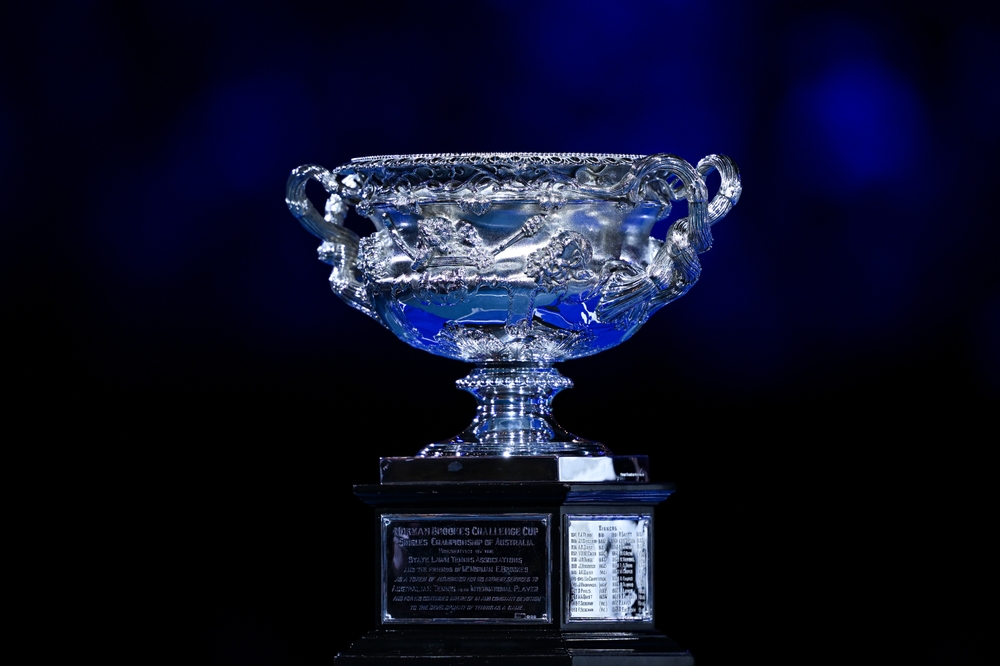
Team Europe reclaimed the Laver Cup on Sunday, with Alexander Zverev beating Learner Tien 7 to 6, 6 to 3 to complete a 13 to 5 win at the O2 Arena.
How did it end so quickly?
Sunday’s weighting did the work. Matches are worth one point on Friday, two on Saturday and three on Sunday, with 13 required to win. Europe entered the final day leading 7 to 5, and two Sunday results were enough. Cobolli and Mensik beat de Minaur and Fritz 7 to 5, 6 to 3 in doubles, then Zverev closed it out. The clinching came with three matches unplayed, which meant Carlos Alcaraz never took the court against Alex de Minaur.
What does this mean for Zverev’s year?
It caps an exceptional one. He won the French Open and the US Open this year, his first two major titles, and has now been part of all six Team Europe victories in this event. He holds the record for Laver Cup singles wins with eight. He also noted that this was his first win in the competition in two years, a detail he raised himself rather than letting the record speak.
Had his form wobbled?
Briefly. A nine match winning streak covering his US Open title and two Davis Cup wins for Germany ended on Saturday against de Minaur, who came from a set down. Sunday answered that immediately, which for a player carrying this much recent success is the more relevant data point.
Who was he beating?
The 13th ranked American, who had won his Laver Cup debut on Saturday by beating Flavio Cobolli. Losing a clinching match in a first appearance is not a poor weekend, and Tien took a set to a tiebreak against a player ranked well above him.
How did Team World perform?
Better than 13 to 5 suggests. They won in San Francisco last year and pushed Europe throughout this edition, taking three of four matches on Saturday before the format’s weighting turned against them. Zverev credited them directly and said they pressed Europe all the way.
What did Zverev say about the team format?
That winning collectively produces something the sport rarely offers. He described tennis as short on team competition and said sharing a side with players he normally faces across the net is the appeal. That view has become more common among top players as team events have multiplied, though the calendar pressure those events create remains a live complaint.
Why does the scoring format matter?
Because it keeps the event alive to the final day while also allowing a lead to become decisive very fast. A team trailing after two days is never out of it, and a team ahead can finish it before the marquee match is needed. Europe’s Laver Cup win closed with its highest ranked player unused, which is the format working exactly as designed.
What comes next?
The event returns next year with the competition standing at six titles for Europe against three for Team World.
