


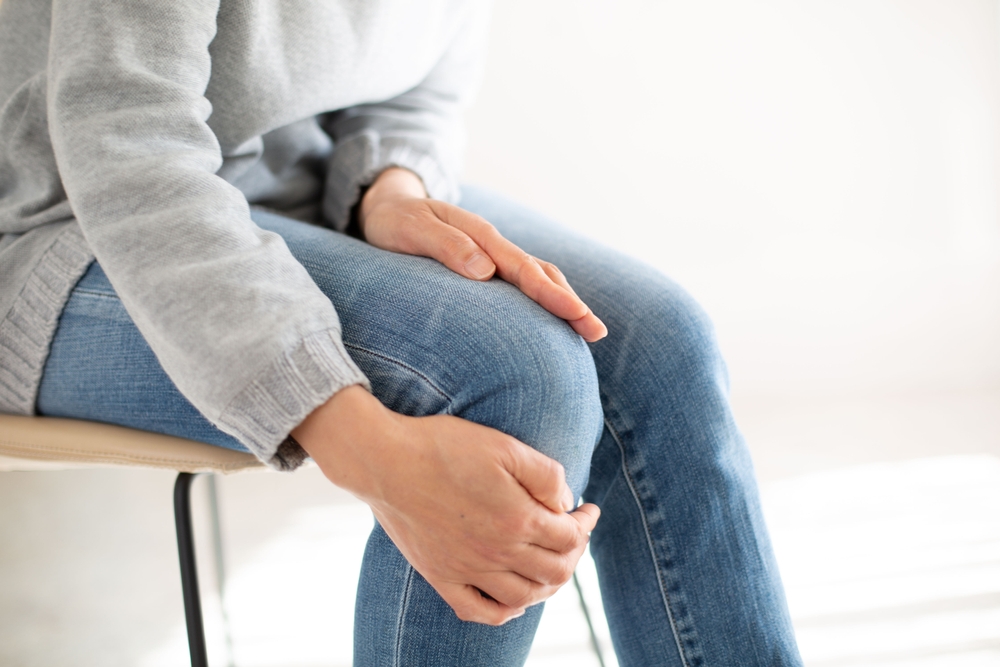
Frozen shoulder, creaky knees, and all-over achiness affect more than half of menopausal women here’s the science behind it and the strategies that provide relief
Your knees are creaky. Your shoulder feels frozen. Your entire body aches like you’ve run a marathon without training for it. You assumed this was just part of getting older, but then you realize: these symptoms started right around menopause. And you’re not alone. More than 50% of women experience joint pain or arthritis around the time of menopause, according to research in Post Reproductive Health. In fact, one Mayo Clinic study found that joint pain and muscular discomfort were about as common as hot flashes yet somehow, menopause joint pain rarely makes it onto anyone’s menopause bingo card.
“There’s now a greater recognition of different menopause-related symptoms, but some women still aren’t connecting the dots to joint pain,” says Dr. Ekta Kapoor, associate professor of medicine at the Mayo Clinic College of Medicine and lead author of the Mayo Clinic study. The disconnect is understandable. When you think menopause, you think night sweats, brain fog, and irregular periods. Joint pain? That feels like it should belong to a different life stage entirely.
But your body knows something you might not: menopause is fundamentally changing how your joints function. Understanding why is the first step toward feeling better.
The Science Behind the Ache: Why Menopause Attacks Your Joints
Menopause symptoms rarely have simple, straightforward explanations, and joint pain is no exception. “Multiple mechanisms or causes could be at play; it’s not very well understood,” Kapoor says. But science does offer some clues as to why plummeting estrogen levels cause such widespread joint discomfort.
When estrogen drops, inflammation spikes throughout your body. Estrogen normally helps keep inflammation in check, so when levels fall during perimenopause and menopause, low-grade inflammation ramps up everywhere including in the lining of your joints. This inflammation can accelerate cartilage thinning, which only adds to pain and stiffness.
But that’s just part of the story. Hormones are natural pain-fighters. Estrogen receptors in specific areas of the nervous system play a role in regulating pain, and research shows that estrogen and progesterone may even help block some pain signals before they reach your brain. When hormone levels drop, that built-in pain buffering drops too. Suddenly, the same level of joint stress that you previously handled without thinking about it becomes noticeable and bothersome.
There’s also the structural reality: as estrogen declines, bone density and lean muscle start to fall sometimes years before your final period. Your joints are forced to absorb more stress with less support. The bone under your knee’s cartilage weakens, accelerating arthritis development. Your muscles atrophy, shifting load distribution and causing pain in areas that previously handled the work effortlessly.
And then there’s the sleep factor. Menopause-related poor sleep, anxiety, and mood shifts can amplify joint pain significantly. If you’re not sleeping well, you feel achy and tired during the day. Mood disturbances and depression in menopause can also manifest as fatigue and achiness. Joint pain then worsens sleep and mood issues, creating a self-perpetuating cycle that’s difficult to break.
What Menopause Joint Pain Actually Feels Like
Women often describe menopause joint pain as non-specific aches and pains everywhere that deep sense of achiness, stiffness, or like your joints don’t want to open up. Imaging typically reveals nothing, which can be frustrating when you’re seeking answers. Unlike arthritis, where specific joints show clear damage on X-rays, menopause joint pain appears as generalized discomfort without visible structural changes.
However, menopause joint pain isn’t always generalized. For some women, it hits specific joints or shows up alongside early arthritis, which may begin or worsen right around the same time. Postmenopausal women are nearly twice as likely to develop arthritis as men of the same age. The shoulder, knee, and hands are the most common painful joints in menopause and they’re also some of the most common sites for arthritis. The shoulder, particularly, is special: frozen shoulder is so common during menopause that it has its own nickname. It’s characterized by inflammation and stiffening, though it’s not arthritis.
The Treatment Strategies That Actually Work
Since menopausal joint pain often doesn’t have a single culprit, the best approach is attacking it from multiple angles. Lifestyle measures should be your starting point, but medical interventions can provide additional relief when needed.
Start with sleep hygiene. Poor sleep is associated with inflammation markers, so prioritize a consistent bedtime, avoid screens before bed, and keep your bedroom cool and dark. Reduce ultra-processed foods, which alter your gut microbiome and contribute to systemic inflammation. Instead, eat to fight inflammation: omega-3s in fatty fish, whole grains, and fresh produce all help.
Physical activity matters significantly. Strength training builds and maintains muscle around your joints, taking stress off them. Weight-bearing exercises like daily walks protect against joint pain and prevent worsening. If lifestyle changes aren’t enough, physical therapy offers professionally led stretching and range-of-motion exercises with significant improvement potential.
For additional relief, consider topical treatments like Voltaren or other anti-inflammatory creams. Corticosteroid injections are particularly effective for frozen shoulder. NSAIDs like ibuprofen offer temporary relief, though you should see a doctor if you need them for longer than a week. Supplements like fish oil, turmeric curcumin, and hydrolyzed collagen are often used for arthritis and may ease general joint pain.
Hormone replacement therapy (HRT) shows mixed results for joint pain specifically, but if night sweats are disrupting your sleep and leaving you achy, HRT can be effective. The key is discussing your individual situation with your healthcare provider.
When to See a Doctor
There’s never a need to suffer in silence. If you’re experiencing swelling or stiffness that doesn’t go away, red or warm spots, persistent tenderness, or difficulty with everyday movements lasting more than three consecutive days or several days each month, consult a rheumatologist or orthopedist. Red flags include joints that look swollen (like “a grapefruit,” as one expert warns) or inability to bend or straighten a joint completely.
The good news: menopause joint pain can improve, especially once you address underlying sleep issues and implement lifestyle changes. You don’t have to accept creaky joints as your new normal relief is genuinely possible.
