


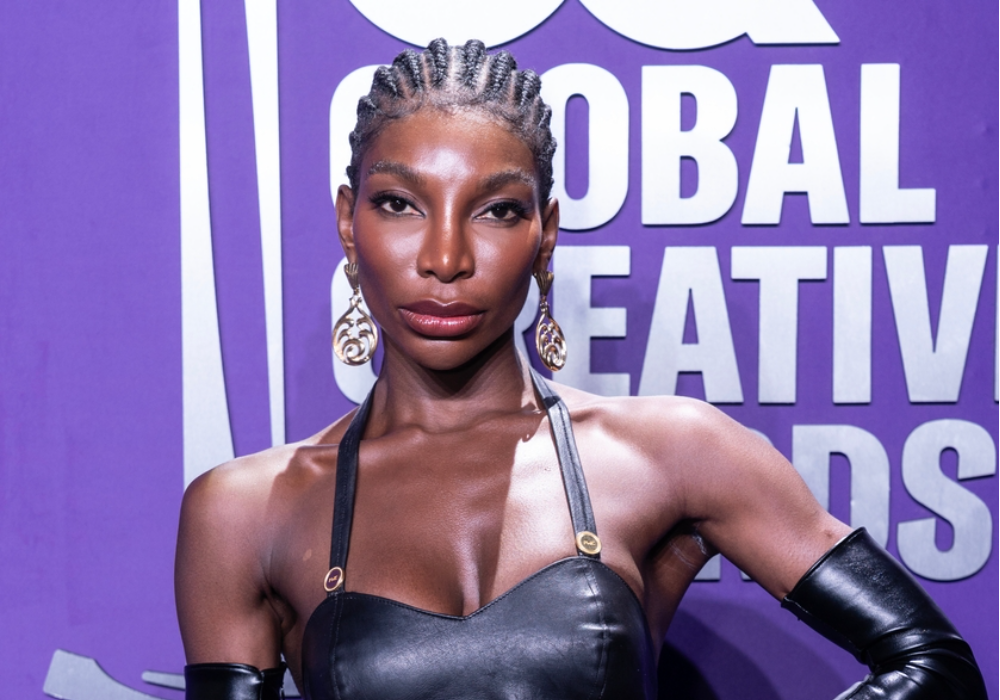
Michaela Coel is one of the most celebrated writer-performers working in television today, but she would rather spend a perfect day reading, doing yoga, visiting her mother and watching television with friends than sitting down to write. The admission is both disarming and entirely believable from someone who has spent years pouring deeply personal material into projects that have redefined what prestige drama can look like.
The British creator behind Chewing Gum and I May Destroy You described the writing process in stark terms during a recent interview, calling it lonely and dark, a place she enters not out of joy but out of necessity. What she produces in that darkness she then releases into the world as an actor, inhabiting other writers’ characters in ways that let her exhale what the writing life makes her hold.
A voice that was never common
Coel, 38, came to television through an unusual path. She developed a solo stage show during her senior year at the Guildhall School of Music and Drama, drawing on her Ghanaian heritage and Christian upbringing in East London. She had also been performing her own poetry at pub open-mic nights under the name Michaela the Poet. Through those early experiences she arrived at a recognition that shaped everything that followed, the understanding that her perspective was genuinely uncommon in the industry and that its rarity was precisely its value.
Chewing Gum, which grew from that stage show into a BAFTA Award-winning series for E4, established her as a singular creative voice. I May Destroy You, which followed in 2020, cemented it. That miniseries, drawn from her own experience of being drugged and sexually assaulted during a night out in her late twenties, made her the first Black woman to win a limited series writing Emmy. It also deepened her sense of what her work was for, sharpening what she describes as a personal mission to shock, disturb and ultimately remind audiences that they are alive.
Two new films and familiar territory
Coel’s two most recent projects, The Christophers, directed by Steven Soderbergh, and Mother Mary, directed by David Lowery, find her playing characters who exist at the margins. In the first she portrays a talented artist struggling to be recognized. In the second she plays a couturier whose friendship with a pop star, played by Anne Hathaway, ends in betrayal. Both characters, she has observed, are defined by a kind of invisibility or neglect, pushed to the edges of spaces that should have made room for them.
She has been quick to clarify that she does not draw on personal experience of being overlooked for these roles. Her time in the industry, she says with evident warmth, has been genuinely good. What she brings to these characters instead comes from the writing process itself, from the loneliness and discomfort of sitting with a story in the dark until it is ready to be seen.
What calls her back to work
Coel has described her creative process as something she cannot fully control or initiate on her own terms. Ideas that she pursues deliberately tend to feel flat. The projects that have defined her career arrived the other way, announcing themselves to her rather than the reverse. When a story needs her, she has said, she knows it.
Upcoming work includes directing a remake of the martial arts film Bloodsport and writing and starring in a series called First Day On Earth, about a novelist who travels to Ghana to reconnect with her father. Both projects arrived, presumably, the way her best work always does. Not because she went looking, but because something found her first.
