


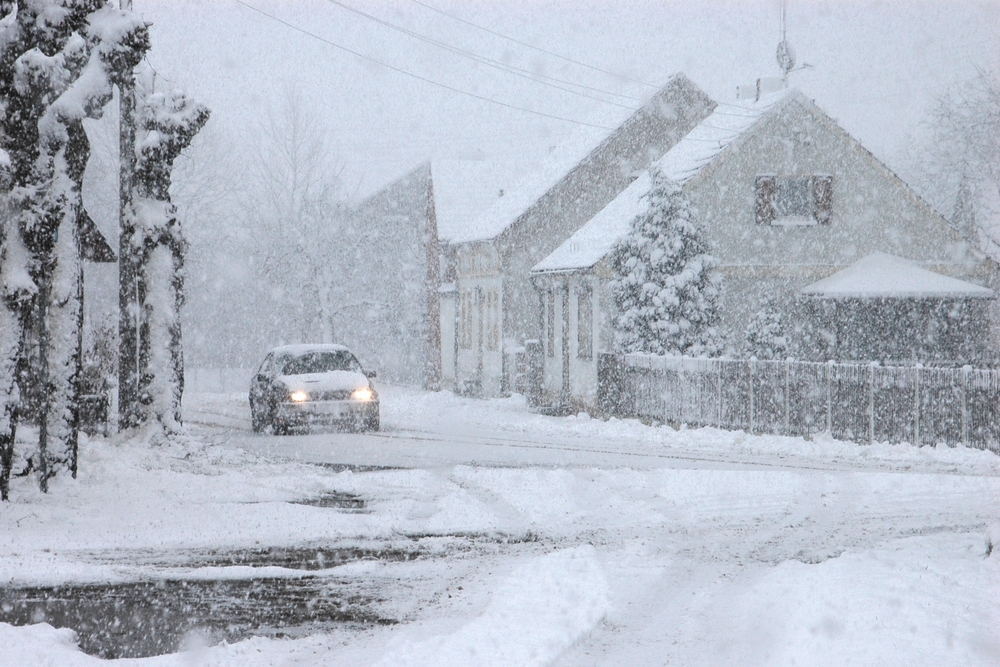
Snow targets the interior Northeast while a hard freeze pushes as far south as Atlanta, with millions bracing for a sudden chill.
A nor’easter developing this week could deliver the first snow of the season to tens of millions of Americans, with flakes possible from Thursday into the weekend across the interior Northeast and the central Appalachians. Pittsburgh and the New York cities of Syracuse and Binghamton are among the places that could see their first snowflakes, according to AccuWeather.
The bigger shock, however, is the cold behind the storm. More than 110 million people in the Northeast could see afternoon temperatures near 30 degrees Fahrenheit late this week, and hard freezes are expected to reach as far south as Tennessee, Alabama and the Atlanta area.
The system is being driven by frigid air and moisture moving in from the Northwest and Canada into the central and eastern United States. Forecasters expect the most significant impacts from the Northeast through New England, though they anticipate only minor disruptions to ground travel.
When and where will the snow fall?
Snow is most likely from the interior Northeast to the central Appalachians, with the window opening Thursday and lasting into the weekend. Forecasters have not yet pinned down how much will fall.
AccuWeather meteorologist Brandon Buckingham identified Pittsburgh, Pennsylvania, along with Syracuse and Binghamton, New York, as locations that could see their first snowflakes of the season. He also said the mountainous Poconos, Catskills and Berkshires face a risk of snow.
The best chance for accumulation is in higher elevations of Massachusetts and upstate New York, extending as far south as Pennsylvania, where snow could build into Friday night. At lower elevations, snow may struggle to stick.
Will big East Coast cities see snow?
Probably not. Major coastal cities are expected to get rain instead of snow ahead of the weekend.
Buckingham attributed that to Atlantic Ocean waters that remain very warm, keeping coastal air too mild for snow. For commuters in the big Northeast cities, that means umbrellas rather than shovels.
By Saturday, the storm is projected to pull away toward Canada, according to FOX Weather, leaving lingering snow showers from a rain-soaked Maine through the Appalachian Mountains.
How cold will it get, and how far south?
Very cold, and well beyond the Northeast. Regardless of how the storm ultimately develops, it is expected to usher in a sharp temperature drop across the East later in the week.
More than 110 million people in the Northeast could see afternoon readings around 30 degrees, with overnight lows falling into the 20s. Hard freezes are possible across the Midwest, the Ohio Valley and the South, and nights below freezing are expected in Tennessee, Alabama and Atlanta.
The chill comes from the same source as the storm itself: frigid air spilling south from Canada and the Northwest.
For Southern households, where November often still feels like fall, that is a signal to act early. Standard cold-weather precautions include bringing pets indoors, protecting exposed outdoor pipes and plants, and checking on older relatives and neighbors before temperatures bottom out.
Will the freeze ease fall allergies?
Yes, for many people. A hard freeze marks the end of the growing season, which brings pollen season to a close for plants such as ragweed.
That is welcome news for the roughly 80 million Americans who live with seasonal allergies, many of whom spend the fall sneezing with watery eyes. Ragweed is the main fall offender, and the Cleveland Clinic reports that a single plant can release up to a billion grains of pollen.
Could the snow forecast still change?
Yes. Forecasters say the outlook remains subject to change, and snow totals have not been determined. The timing, the areas at risk and the coming cold are the clearest parts of the outlook, but residents from Pennsylvania to New England should watch for updated forecasts through the end of the week.
Travel impacts are expected to stay minor, but drivers heading into the Poconos, Catskills or Berkshires should allow extra time if snow develops.
Source: THE INDEPENDENT
