


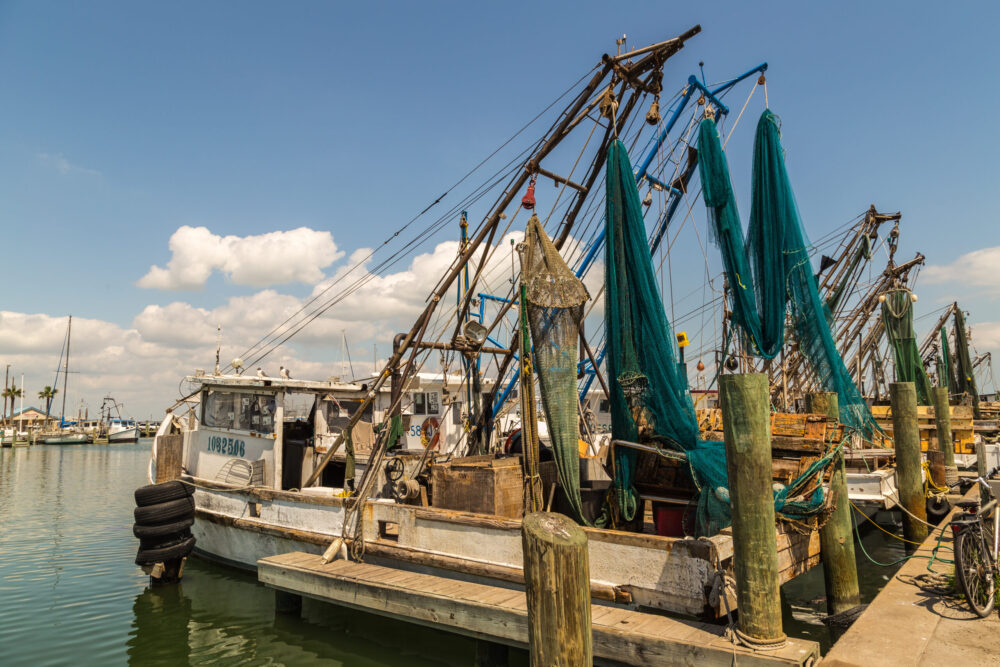
In Brownsville, a coastal city long tied to the shrimping trade, fishermen are confronting a growing financial squeeze that is reshaping their way of life. Rising fuel costs, shifting market prices and mounting operational pressures are forcing many to rethink how and whether they can continue working on the water.
At the center of the issue is the soaring cost of fuel, which has dramatically increased the price of each trip out to sea. For some captains, filling a shrimp boat now requires tens of thousands of dollars, turning routine outings into high-stakes decisions.
Fuel surge puts pressure on daily operations
For shrimp boat operators, fuel is one of the largest and most unavoidable expenses. Recent increases have pushed costs to levels that are difficult to absorb.
Filling a single vessel can now cost around $80,000, a figure that significantly cuts into potential earnings, each trip requires careful planning to ensure the catch can justify the expense. The margin for error has narrowed, leaving little room for unpredictable conditions at sea.
This shift means that what was once a steady livelihood now carries greater financial risk with every departure from the dock, economic strain reshapes fishermen’s workload
As expenses climb, fishermen are being pushed to work harder just to maintain the same level of income, crews must now catch nearly three times their usual haul to break even, longer hours and extended trips are becoming more common. Physical demands on workers have intensified alongside financial pressures.
The added strain is affecting not only boat owners but also crew members who rely on consistent trips for their wages. When fewer outings are financially viable, income becomes less predictable across the board.
Ripple effects hit the local community
The challenges facing shrimpers extend beyond the boats and into the broader local economy.
Job stability is increasingly uncertain as fewer trips may lead to reduced crew opportunities, rising operational costs could drive up shrimp prices for consumers. Businesses connected to the industry, including processors and restaurants, may feel the impact of reduced supply.
In a city like Brownsville, where shrimping supports a network of related industries, these changes could have lasting consequences.
Adapting to a changing industry landscape
Faced with mounting challenges, fishermen are exploring ways to adjust their operations and stay afloat.
Some are looking at improving fuel efficiency by upgrading equipment or refining travel routes. Others are considering partnerships with fellow shrimpers to share costs and resources. There is also growing interest in diversifying catches or exploring new markets that may offer better returns.
These strategies reflect an effort to remain flexible in an environment where traditional methods are becoming harder to sustain.
Uncertainty surrounds the future of shrimping
The road ahead for shrimpers in Brownsville remains unclear. While the industry has weathered difficult periods in the past, the current combination of high fuel costs and economic pressure presents a particularly complex challenge.
Fishermen continue to rely on resilience and experience, but many acknowledge that long term sustainability may depend on broader changes, including shifts in fuel pricing or additional support from policymakers.
A community searching for solutions
Despite the difficulties, there is a shared understanding that shrimping remains an important part of the region’s identity and economy. Local stakeholders are increasingly aware of the need to support those working in the industry.
Efforts to encourage consumers to buy locally sourced seafood and support coastal businesses are gaining attention. Community awareness may play a role in helping sustain demand during a period of uncertainty.
A critical moment for a coastal tradition
The situation unfolding in Brownsville highlights the delicate balance between tradition and economic reality. Shrimping has long been a cornerstone of the area, but rising costs are testing its viability in new ways.
How fishermen, communities and industry leaders respond in the coming months could shape the future of shrimping along the Texas coast. For now, each trip to sea represents both a livelihood and a calculated risk.
