


A book shaped by the moment
Love
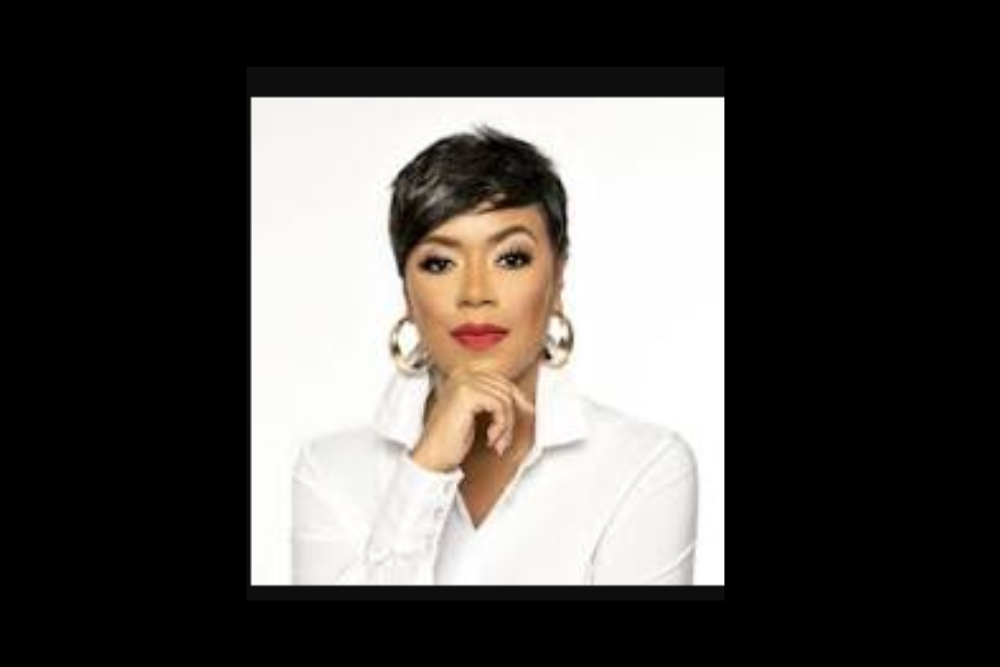
Tiffany D. Cross enters the literary space with Love, Me, a work that speaks directly to Black women navigating a complicated social and cultural climate. The book arrives at a time when conversations about race, identity and belonging continue to shift, often leaving Black women carrying both visibility and neglect in equal measure.
The project does not attempt distance. It leans into lived experience, drawing from the emotional and structural realities that define daily life for many. Cross frames the narrative around endurance, while also questioning what it means to give and receive care in a society that often feels uneven.
Centering Black women’s stories
Black women
The book places Black women at its core, not as an abstract group but as individuals whose lives intersect with history, politics and personal struggle. Their stories move through different spaces, from relationships to work, from public identity to private reflection.
Cross explores how contributions are often minimized while expectations remain high. The weight of responsibility appears constant, whether in families, careers or broader cultural roles. That tension shapes much of the narrative, offering insight into both resilience and fatigue.
The writing keeps its focus on humanity. It resists flattening complex experiences into simple conclusions, instead allowing contradictions to exist side by side.
A wider cultural lens
Culture
Love, Me moves across multiple themes, including race, relationships, health, labor and economic pressure. These elements do not sit separately. They overlap, forming a larger picture of how Black women navigate systems that rarely offer balance.
Cross brings humor and reflection into the discussion, creating space for moments of lightness without ignoring deeper concerns. The tone shifts naturally, mirroring the unpredictability of lived experience.
The book also situates personal stories within a broader national context. It reflects on how social and political changes influence individual lives, particularly for those who often feel overlooked in mainstream narratives.
From public voice to personal page
Tiffany D. Cross
Cross is known for her work in journalism and television, including her time hosting The Cross Connection. Her voice has long been part of public discourse, engaging with politics and culture in real time.
This book marks a different kind of expression. It allows for reflection rather than reaction. The pace slows, giving space for deeper exploration of themes that have shaped her career and perspective.
Her academic background at Clark Atlanta University and her experience across media platforms inform the work. They provide context without overshadowing the personal tone that defines the book.
Family, identity and belonging
Identity
At its core, Love, Me is concerned with belonging. It considers how identity is shaped by both internal understanding and external pressure. For Black women, that process often involves navigating expectations that are both visible and unspoken.
The book also touches on relationships, not only romantic but also familial and communal. These connections serve as both support systems and sources of complexity. They highlight how love can exist alongside strain.
Cross frames these dynamics without offering simple resolution. Instead, the focus remains on recognition and honesty.
A voice that arrives with purpose
Voice
The release of Love, Me adds to ongoing conversations about representation and agency. It arrives as part of a larger cultural moment where storytelling continues to evolve, with more space being carved out for perspectives that were once sidelined.
Cross’s approach does not seek approval. It stands firmly in its point of view, offering a narrative that feels both timely and grounded. The book does not attempt to answer every question it raises. It leaves room for reflection, allowing readers to engage with its themes in their own way.
In doing so, it reinforces the idea that storytelling remains one of the most powerful ways to understand both self and society.
