


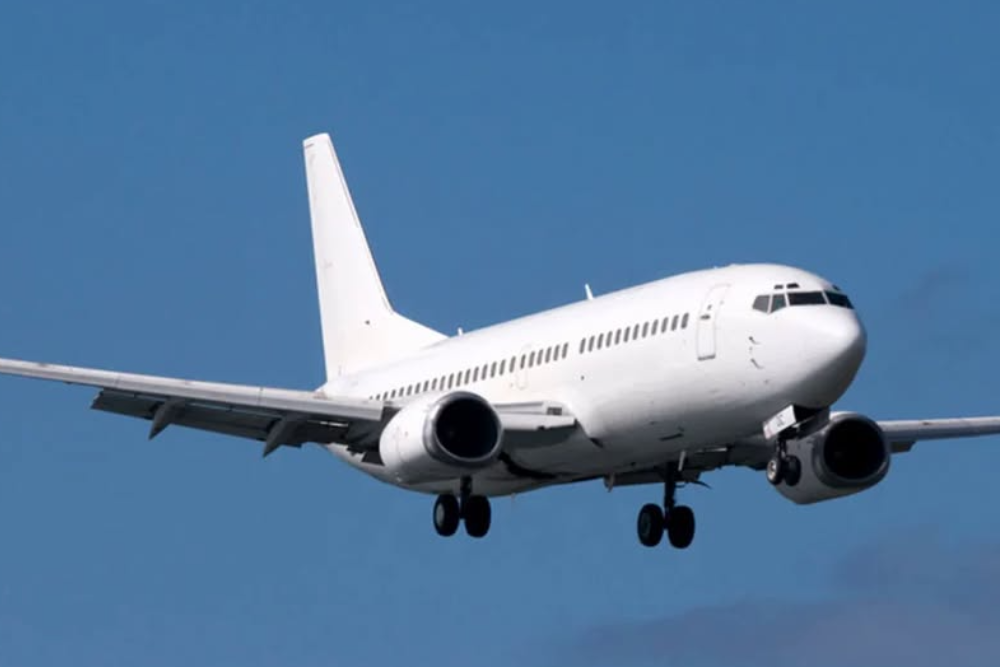
A civilian aircraft went down Sunday afternoon near the town of Tomblaine in northeastern France, killing 11 people aboard and sending emergency services rushing to the scene. The plane belonged to a parachutist school and was in the middle of what local media described as a first-time parachute jump session when it crashed near the local airport.
The pilot and all 10 passengers, five students and five instructors, died in the accident, according to the local prefecture. The aircraft reportedly shattered into pieces on impact, leaving behind a scene that emergency workers described as devastating.
Three people are reported to have survived by ejecting from the aircraft before it went down, though authorities had not yet officially confirmed the identities of those killed as of Sunday evening.
What authorities know about the crash
The prefect of Meurthe-et-Moselle, Yves Séguy, convened all relevant emergency services to ensure real-time monitoring of the situation. Firefighters, police, and medical teams were among the first to reach the crash site, where they began rescue and recovery operations.
Police sealed off the area around Salvador Allende Street and urged the public to stay clear of the location to allow emergency vehicles unobstructed access.
France’s Interior Minister Laurent Nunez traveled to the site as the government moved quickly to establish its presence at what has become one of the country’s deadliest aviation incidents in recent memory. The cause of the crash remains under investigation, and no official explanation for what brought the aircraft down had been released by Sunday evening.
The community of Tomblaine confronts the loss
Tomblaine is a small town situated just outside Nancy in the Meurthe-et-Moselle department. It is not a place accustomed to events of this scale. The crash landed squarely in a community that had no warning, and the grief that followed was immediate.
The victims represent two generations of the same sporting community, instructors who had spent years in the air alongside students who were just beginning. The parachutist school had been operating in the area and was in the middle of training activities at the time of the accident. For the families receiving news on a Sunday, the circumstances made the loss no easier to process.
Local authorities expressed condolences to the families of the victims and confirmed that support services were being made available to those affected.
Skydiving safety and what comes next
The crash has prompted immediate questions about safety protocols within parachuting operations in France. Skydiving carries inherent risks that even rigorous training and certification processes cannot eliminate entirely, but incidents involving aircraft carrying instructors alongside students draw particular scrutiny because of the dual responsibility involved.
Aviation and sporting authorities in France are expected to launch a formal investigation into the cause of the crash. Investigators will examine the aircraft’s maintenance records, weather conditions at the time of the flight, and the operational procedures of the parachutist school. Until those findings are released, the circumstances that led to the deaths of 11 people on a Sunday afternoon flight remain unclear.
France has seen a number of fatal skydiving and light aircraft incidents over the years, but the scale of Sunday’s crash, 11 lives lost on a single training flight, places it among the more severe. The investigation will take time, but the pressure to produce answers has already begun.
For now, Tomblaine is absorbing a loss that arrived without warning and left a community working through the early stages of grief.
