


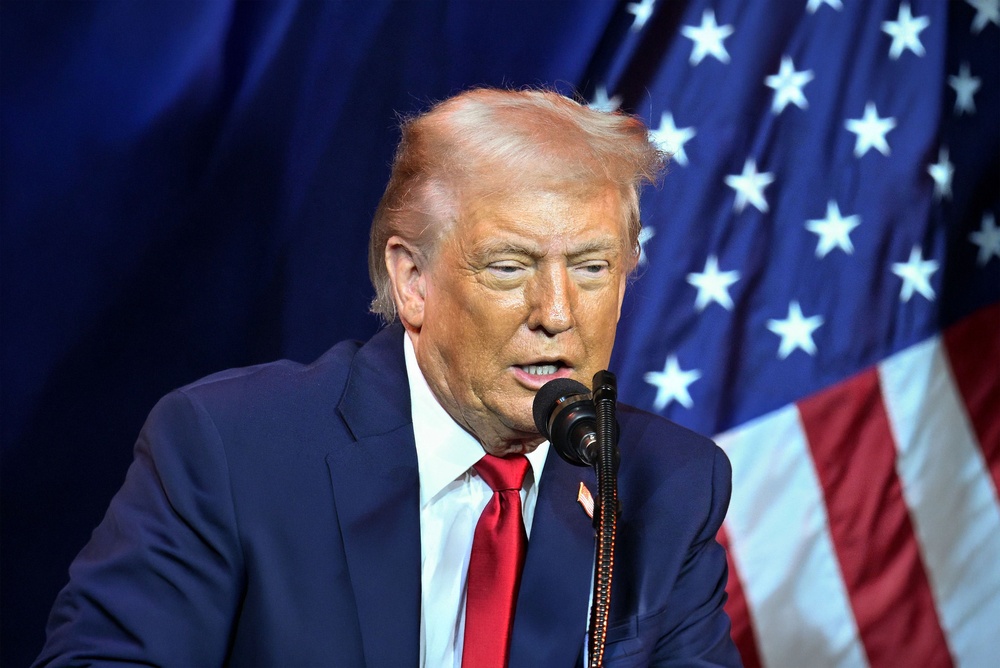
President Trump confirmed this week that he intends to suspend the federal gas tax, framing the move as a necessary response to fuel prices that have been climbing steadily since the United States entered into conflict with Iran earlier this year. Speaking in a phone interview Monday, he described the idea in positive terms and suggested the suspension would remain in place until prices come back down on their own, at which point the tax would gradually return.
The announcement landed quickly in Congress. A Republican senator said the same day that he would introduce legislation to make the suspension happen, and a Republican House member from Florida announced plans to bring a similar bill to the floor later in the week. Democratic lawmakers had already been working on comparable proposals of their own before Trump’s comments added new urgency to the conversation.
What the numbers actually look like
The federal gas tax sits at 18.4 cents per gallon for regular gasoline and 24.4 cents per gallon for diesel. Suspending it would not require much debate about the mechanics but it would require an act of Congress, and the financial cost of pausing it is significant. Estimates put the price of a suspension at roughly half a billion dollars per week, money that would otherwise flow into the Highway Trust Fund used to build and maintain roads and support public transit projects across the country.
Gas prices have risen sharply since late February, when the Iran conflict began. The national average crossed $4.52 per gallon over the weekend, a figure that represents more than a 50 percent increase since the start of the war. Analysts tracking the situation point to Iran’s blockade of the Strait of Hormuz as the central reason prices are unlikely to fall significantly in the near term, since the waterway handles a substantial portion of global oil movement.
Airlines get a different answer
While Trump signaled openness to helping drivers, he pushed back firmly on the idea of a federal bailout for the airline industry, which is facing its own crisis as jet fuel costs have more than doubled since the conflict began. He suggested the carriers were managing well enough on their own, though that assessment came as one major budget airline shut down entirely earlier this month under the weight of rising fuel expenses.
Analysts who follow the travel industry say consumers will feel the impact of higher fuel costs through rising ticket prices, particularly over the summer travel season when demand is already at its peak.
Iran and a peace offer Trump rejected outright
The interview also touched on diplomacy. Trump said he watched a recent television interview with Israeli Prime Minister Benjamin Netanyahu and offered a measured response, though he disagreed with Netanyahu’s framing around the intelligence picture heading into the conflict.
On the question of a peace proposal recently put forward by Iran, Trump was dismissive. He described the offer as deeply flawed and poorly constructed, saying it reflected a fundamental misunderstanding of the situation Iran is currently in. When pressed on whether Iran had offered any movement on its nuclear program as part of the proposal, he acknowledged some concessions had been made but characterized them as far too limited to be taken seriously.
The Strait of Hormuz remains closed to international shipping, and Trump stopped short of committing to any specific next step, leaving open the possibility of either a renewed effort to restore safe passage or something he described only as more severe.
