


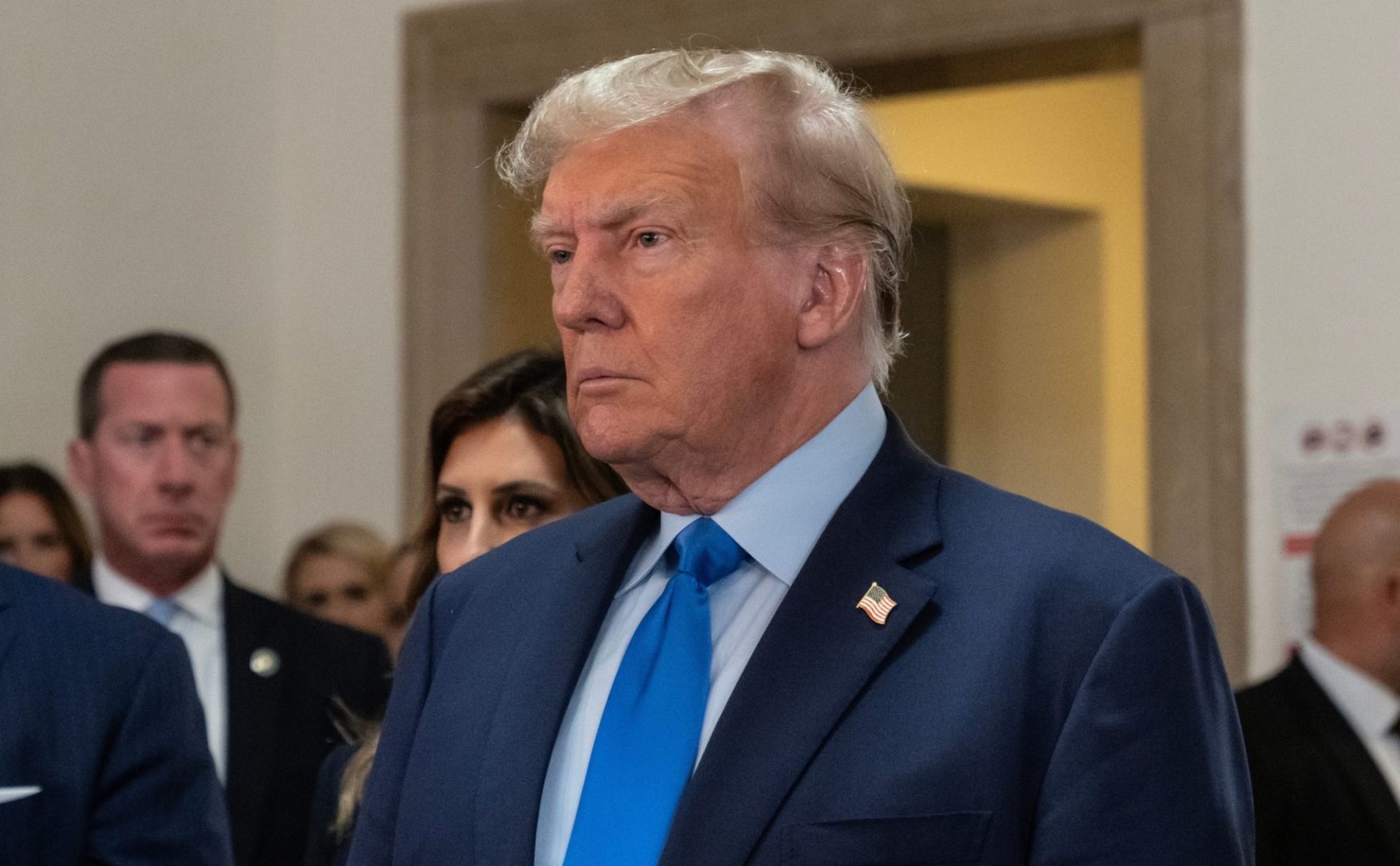
What had been a tense but manageable standoff between Israel and Iran broke into open military exchange this weekend, raising the prospect that months of American-led diplomacy could collapse under the weight of renewed hostilities. The escalation unfolded rapidly across two days, pulling the United States deeper into an already volatile regional picture and forcing President Donald Trump into the role of active mediator just as he had been describing a potential breakthrough.
On June 8, Trump declared publicly that both Israel and Iran were seeking an immediate ceasefire, framing the moment as a pause rather than a resolution. He made clear that an American naval blockade of Iranian ports would remain active until a final agreement was formally reached, and urged both governments to move quickly toward a deal he described as close but not yet secured.
How the exchange unfolded
The latest round began on June 7 when Iran launched missiles toward Israel, the first direct strike since a ceasefire had taken effect in April. Tehran framed the attack as retaliation for Israeli strikes on Beirut’s southern suburbs earlier that same day. Israel simultaneously reported projectiles fired from Lebanese territory toward its northern region.
Israel responded on June 8 with strikes inside Iran, targeting what it described as military installations and a petrochemical facility in the country’s southwest. Iran’s Revolutionary Guard then announced it had struck a comparable Israeli industrial site near Haifa. The Houthis in Yemen, aligned with Tehran, also entered the picture by launching a missile toward Israeli territory and declaring what they called a total ban on Israeli maritime shipping through the Red Sea, marking their first such attack since a prior ceasefire had taken hold.
Trump caught between restraint and reality
The president had reportedly reached out directly to Israeli leadership before the latest Israeli strikes were launched, urging them not to respond to the Iranian barrage. The request went unheeded. Trump nonetheless maintained his public optimism, insisting in multiple statements that negotiations between Washington and Tehran had not collapsed and that Iranian officials had effectively signaled they would not pursue nuclear weapons.
He told an American television program that approximately 50,000 United States troops would remain in the region until military objectives connected to Iran were fulfilled, adding that a failure to reach a deal would result in direct military action targeting Iran’s nuclear program. The statement was notable for its dual register, projecting both the possibility of peace and the readiness for war within the same breath.
Iran signals damage to diplomacy
Tehran offered a sharply different read of the diplomatic situation. Iranian foreign ministry officials described the current negotiating atmosphere as chaotic and laced with suspicion, suggesting that Israeli actions were deliberately designed to undermine talks between Iran and the United States. Iran said it had paused military operations following what it characterized as a proportional response, but warned that continued Israeli activity in Lebanon would trigger a far more severe reaction.
Regional stakes grow heavier
The conflict’s economic shadow is widening. Iran has already restricted traffic through the Strait of Hormuz, a chokepoint for global crude shipments whose disruption has driven oil prices sharply higher. The renewed Houthi threat to Red Sea navigation adds another layer of pressure to one of the world’s most consequential trade corridors, connecting the Indian Ocean to the Mediterranean and handling a substantial share of global commerce.
Israel’s security cabinet was expected to convene Monday to assess the latest developments. The question hanging over every meeting, every statement and every missile trajectory is whether the diplomatic process Trump has spent months constructing can survive what the last 48 hours have put it through.
