


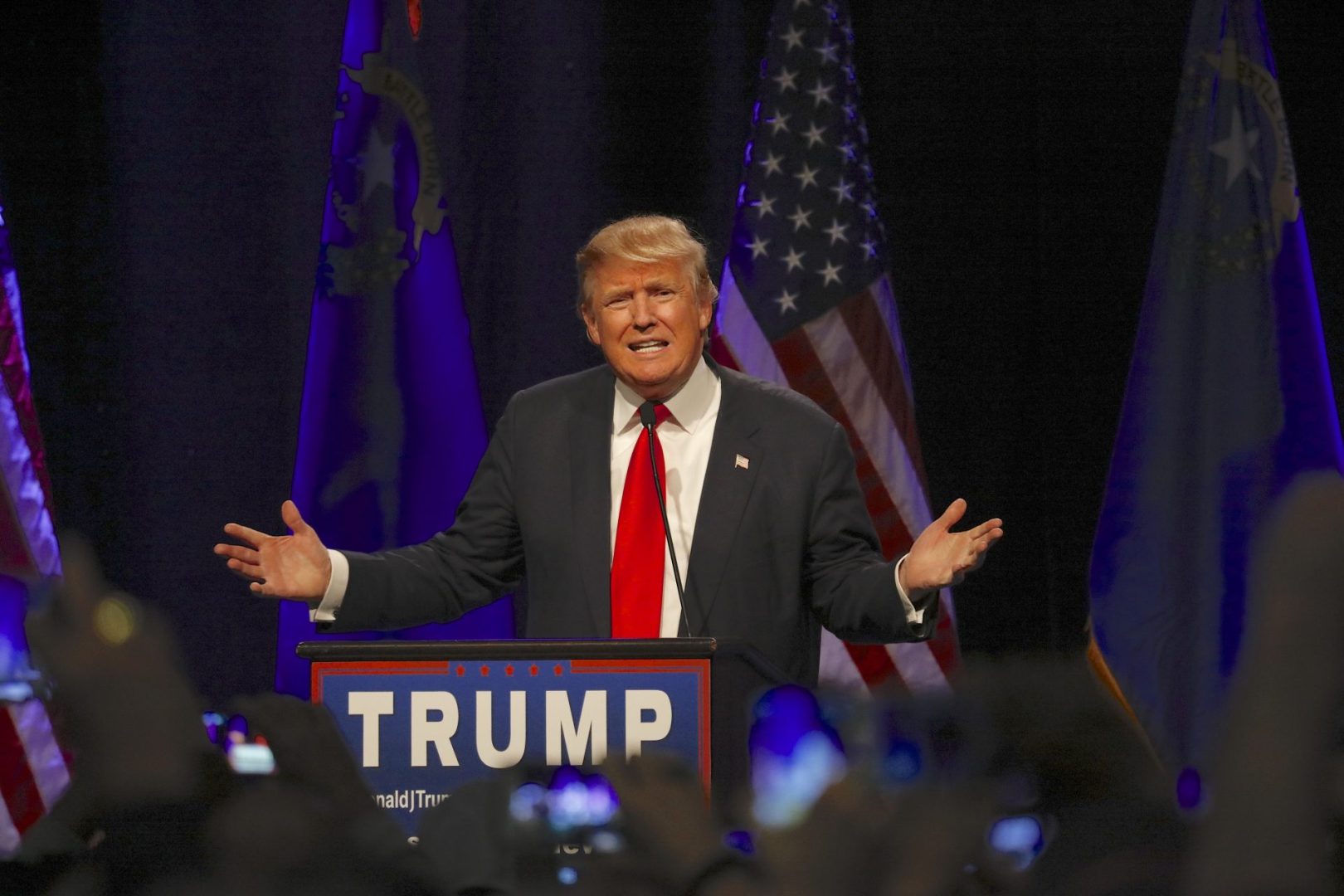
Medicaid programs in all 50 states, Washington D.C. and Puerto Rico have now signed on to President Donald Trump’s most favored nation drug pricing model, according to a Friday announcement from the Oval Office. The move expands a plan first floated a year ago, and it answers a question a lot of families on Medicaid have been asking for months. Does this actually lower the price of the medication they depend on. The honest answer right now is partly, and the details are still thin.
What is the GENEROUS model and how does it work?
The program, officially called GENEROUS, lets state Medicaid plans buy select drugs at rates closer to what other wealthy nations pay. More than two dozen drug manufacturers, including Pfizer, Eli Lilly and Novo Nordisk, agreed to offer rebates that are supposed to bring brand name drug prices down across categories like cancer treatment, diabetes care and asthma medication. The White House says the deals now touch close to 90% of brand name drugs sold in the country.
Why are people skeptical about the savings numbers?
This is where the story gets complicated. The administration has floated more than one savings figure, and it has never released the actual contract terms with drugmakers, so outside researchers cannot check the math themselves. Congressional oversight letters sent to Pfizer and Eli Lilly earlier this fall pushed both companies to explain exactly which drugs are covered and whether Medicaid is truly getting the lowest price available anywhere in the world. Neither company has published a public answer.
What has actually changed for Medicaid patients so far?
For a program that covers 66 million Americans, the stakes are real. Medicaid’s net spending on prescription drugs jumped 46% between 2019 and 2024, hitting $46 billion in a single year, according to the nonpartisan research group KFF. That is the pressure point driving this entire push. The rollout has also been slower than advertised. States were originally given a shorter window to opt in voluntarily, and that deadline has been pushed back more than once, which is part of why Friday’s all 50 state milestone landed later than the administration first suggested.
Is this a win worth celebrating?
For Black and Brown communities that lean on Medicaid at higher rates than the national average, the difference between a headline and a household savings check matters. Diabetes and asthma medications, two categories named in the GENEROUS fact sheet, disproportionately affect Black patients, so any real price relief could land close to home. But without published contract terms, families have no way to confirm whether their specific prescription got cheaper or whether the discount applies somewhere else in the supply chain that never reaches the pharmacy counter.
The administration is framing this as a signature achievement heading into a midterm election year built around affordability messaging. Whether Medicaid recipients feel that in their monthly budget is still an open question, and it is one worth tracking as the program moves from announcement to actual implementation.
