


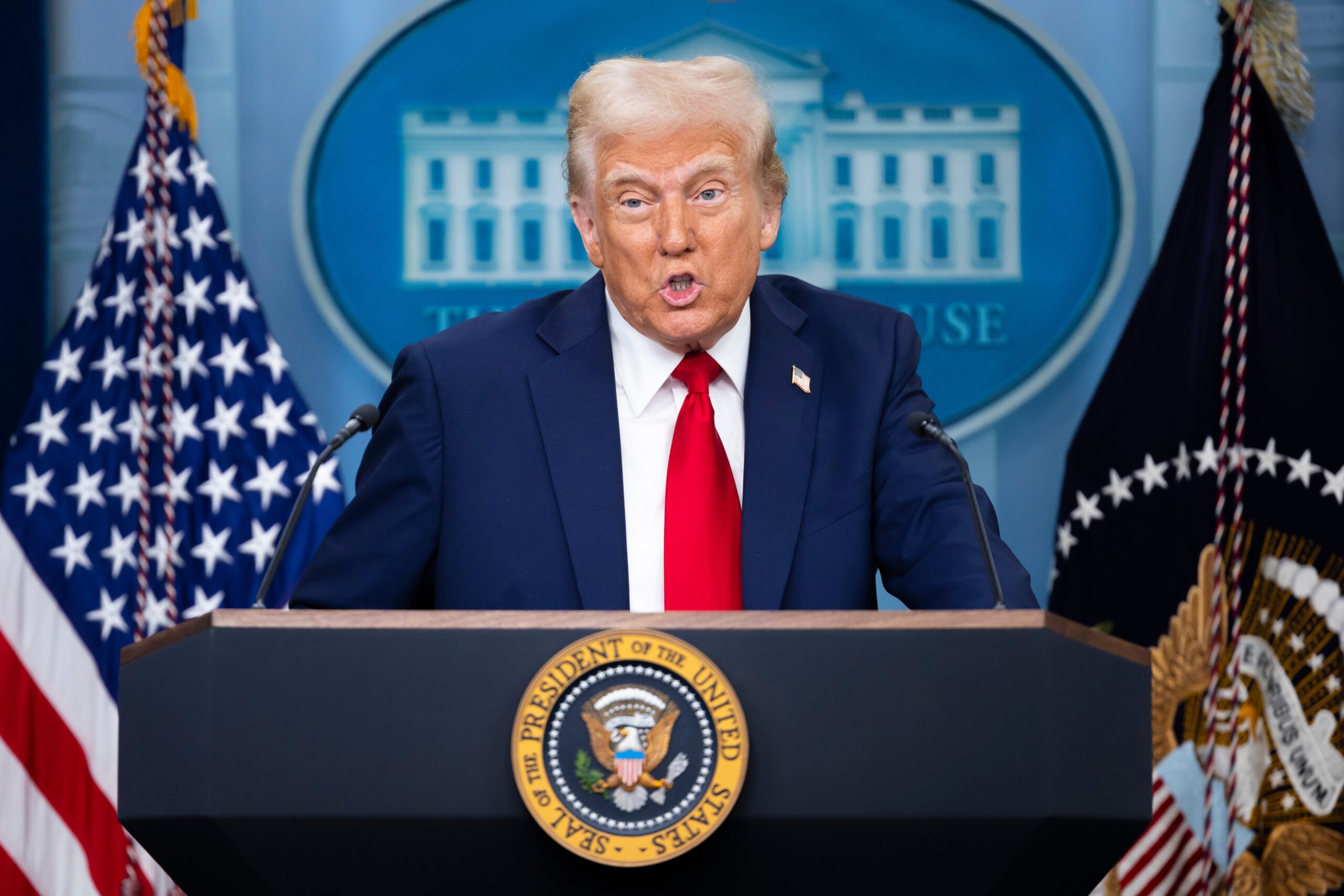
Trade negotiations between the United States and Canada collapsed late Friday, triggering 50% tariffs on a portion of Canadian exports to the US after months of on-again, off-again talks failed to produce a deal before President Trump’s deadline expired at midnight.
What led to the breakdown?
Canadian Prime Minister Mark Carney announced the suspension of negotiations shortly before the deadline, saying that while meaningful progress had been made in recent weeks, it fell short of what Canada needed. He described last-minute changes to the US proposed terms as unfair and economically unworkable, and said the shift raised doubts about whether any deal reached could be considered reliable. Carney ordered Canadian negotiators to return to Ottawa and said his government would introduce new measures in the coming days to support Canadian workers and businesses affected by the tariffs.
How did the US respond to the collapse?
US Trade Representative Jamieson Greer placed responsibility for the breakdown on Canada, saying the country declined to finalize a deal under terms both sides had agreed to earlier in the week. Greer said the US had offered Canada the best treatment of any major exporter to the American market, and argued that new demands and reversals of prior commitments from the Canadian side disrupted the balance both countries had reached in recent days.
What exactly is being taxed, and how much?
Sources differ slightly on the scope of the tariffs. The new duties apply to roughly $20 billion worth of Canadian goods, which various reports describe as affecting close to 5% of Canada’s total exports to the US. Named categories include wine, dairy products, cement, clothing, hockey equipment, electronics and industrial machinery, depending on the source. These tariffs come on top of existing US duties already in place on Canadian steel, aluminum, autos and lumber.
What law is the US using to impose these tariffs?
The Trump administration invoked Section 338 of the Tariff Act of 1930, a Depression-era provision that had never previously been used and allows tariffs of up to 50% on trading partners the US determines are discriminating against American commerce. Officials had also been negotiating potential reductions to existing tariffs on Canadian steel, aluminum and autos, reportedly discussing cuts from 50% to 25% on metals and from 25% to 15% on autos, before those discussions collapsed alongside the broader deal.
What was Canada being asked to give up in return?
As part of the proposed deal, Carney had asked Canadian provinces to lift bans on US alcohol sales that were imposed last year in retaliation for earlier American tariffs. Some provincial leaders, including Quebec’s government, indicated they were still reviewing the request, while the US separately sought Canadian concessions on retaliatory auto tariffs and dairy quota access for American producers.
How have Canadian officials and business groups reacted?
Ontario Premier Doug Ford voiced full support for Carney’s decision to respond with matching tariffs, describing the moment as one requiring national unity. Manitoba Premier Wab Kinew urged the federal government to take a firm stance. On the American side, the US Chamber of Commerce warned that higher tariffs risk raising costs for US families, disrupting supply chains, and threatening roughly 13 million American jobs tied to North American trade agreements. A recent poll from Abacus Data found that about 36% of Canadians support retaliatory tariffs, while roughly 30% preferred that negotiations continue instead.
What happens next?
Both countries now face the prospect of an extended standoff, with Canada preparing dollar-for-dollar retaliatory tariffs and the US signaling it will not tolerate counter-measures. Legal challenges to the newly imposed US tariffs are considered likely given the unprecedented use of Section 338, though the immediate outcome leaves businesses and consumers on both sides of the border absorbing higher costs while talks remain stalled.
