


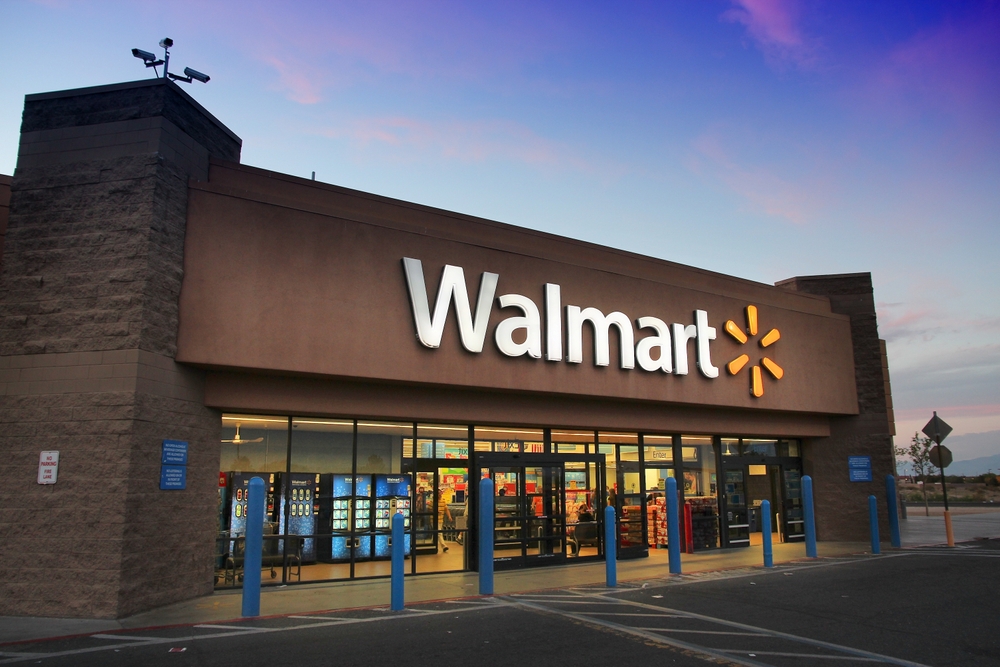
Walmart just delivered the kind of quarter most retailers would envy, beating Wall Street on both sales and profit. Yet within hours its stock was tumbling nearly 9%, a jarring reaction that left many wondering how such strong numbers could spark such a sharp selloff. The answer reveals a lot about how markets read a winning report and why the fine print sometimes matters more than the headline.
What Walmart got right
The results were genuinely impressive. Revenue climbed to nearly $188 billion for the quarter, up about 5.9% from a year earlier and ahead of what analysts had forecast. Adjusted earnings came in at 81 cents a share, comfortably beating the 74 cents the market expected. Online sales surged roughly 23% worldwide, a reminder that Walmart has become a serious force in digital shopping rather than just a store on the corner.
There was more good news underneath the surface. Membership and advertising, two high-margin businesses, kept growing, and the company even raised its profit outlook for the full year. Management sounded confident, pointing to steady market-share gains and a business firing on multiple cylinders. Comparable sales at its home-market stores still pushed higher, and Walmart kept gaining ground even as rivals struggled to match its scale and pricing power. On paper, this was about as close to a flawless showing as a retailer of this size can produce.
Why the stock still tumbled
So why did shares crater? The market fixated on what comes next. Guidance for the current quarter landed softer than hoped, with projected earnings below what investors wanted to see. For a stock trading at a rich valuation, anything short of perfection can trigger a selloff, and a cautious forecast was more than enough to send buyers running for the exits.
Investors also questioned the quality of the beat. A large chunk of the profit boost came from tariff refunds rather than core operations, and one-time benefits rarely earn the same respect as organic growth. On top of that, fuel costs are climbing and the broader shopper looks more stretched than before. Walmart even flagged that its grocery and pharmacy arm faced pressure as price caps on certain medications took hold. Add it all up and the early enthusiasm cooled remarkably fast. Some analysts argued that the selloff in Walmart looked overdone, yet the selling pressure proved impossible to ignore in the moment.
What it means for shoppers and the market
Beyond the stock swing, the report doubles as a health check on the everyday consumer. Walmart sees an enormous share of household spending, so its commentary offers a rare window into how people are coping. The picture is decidedly mixed. Shoppers are still showing up, but they are hunting for value, trading down and watching every dollar as prices and fuel quietly bite into budgets.
The company is leaning hard into that reality. Walmart rolled back prices on roughly 11,000 items during the quarter and plans to pour its tariff refunds into keeping prices low, a strategy aimed at winning loyalty even if it squeezes margins in the short run. Tellingly, higher-earning households are increasingly filling the aisles, a sign that value hunting now cuts across every income level rather than just the budget-conscious.
For Walmart, the long game remains firmly intact. A single day of selling does not erase years of steady growth, and the raised outlook suggests leadership sees plenty of room left to run. For investors, the lesson is that a beat is only half the story, since guidance and the true source of profits often decide the reaction more than the headline figures. And for millions of families, the takeaway is far simpler. The biggest retailer around is betting that low prices will keep them coming back, no matter what the stock does on any given day, and that is a bet Walmart has rarely lost.
