


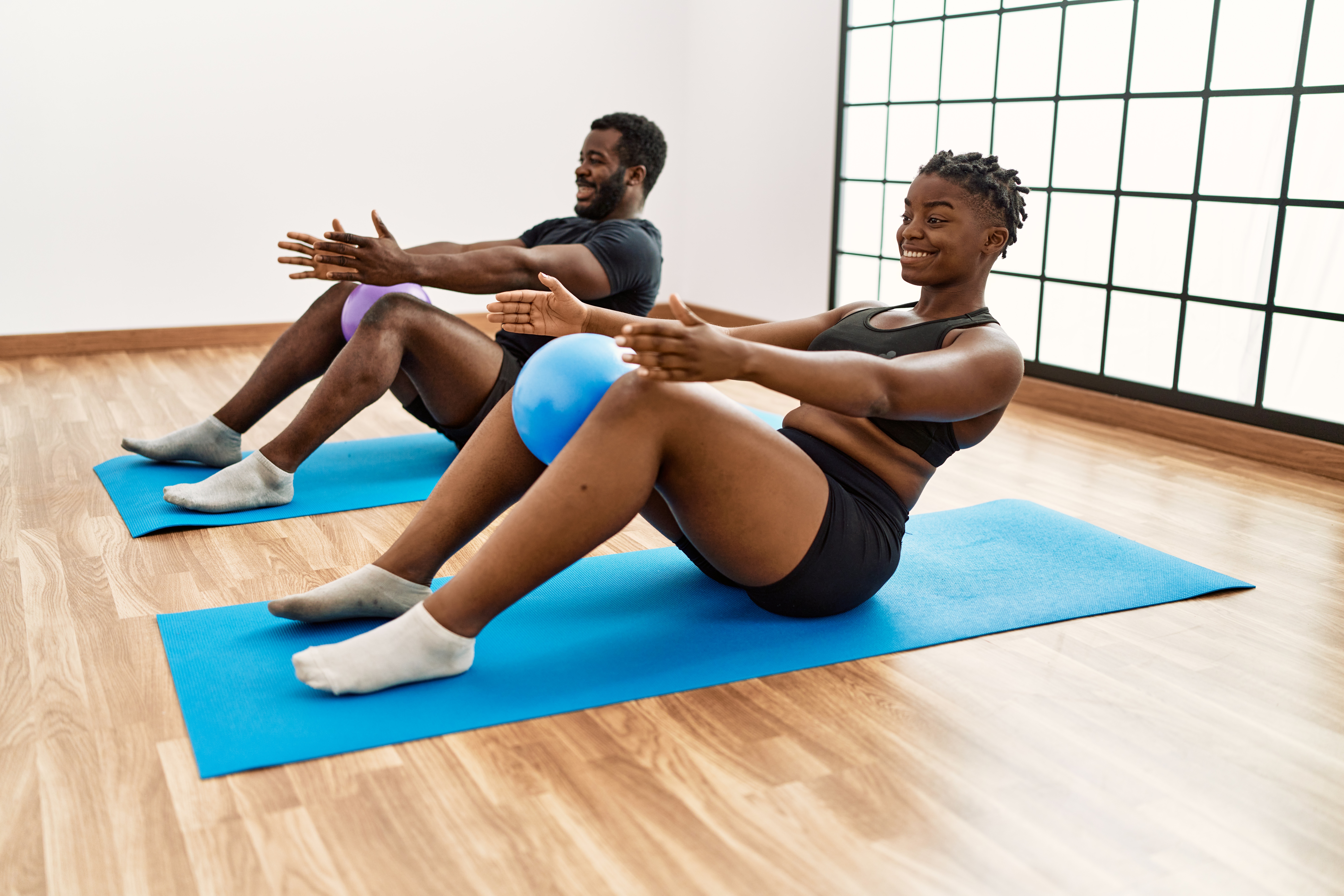
Pilates has existed long enough to have been dismissed as a celebrity hobby, misunderstood as glorified stretching, and then quietly vindicated by research while the dismissers were busy doing something that was hurting their knees. The method developed by Joseph Pilates in the early twentieth century is having a moment in 2026 that goes well beyond trend cycle, and the science behind why it works is catching up to the enthusiasm.
Studio Pilates membership data from early 2026 shows a 40 percent increase in participation compared to the same period in the prior year, making it the fastest growing fitness category in the country by a margin that is surprising even to industry insiders. The clinical evidence behind five specific benefits is doing a significant amount of the driving.
Fact one: Pilates fixes the pain most people have accepted as permanent
Chronic lower back pain affects a substantial proportion of adults and is one of the leading causes of disability and lost productivity globally. Research published in early 2026 confirmed what a growing body of clinical literature had been suggesting, which is that Pilates-based exercise programs produce greater improvements in chronic lower back pain outcomes than standard physical therapy protocols for a significant proportion of patients.
The mechanism is the systematic development of deep spinal stabilizing muscles, including the transverse abdominis and multifidus, that conventional gym training routinely neglects. These muscles are the actual support structure for the lumbar spine, and their weakness is a primary driver of the chronic instability that produces lower back pain. Pilates targets them with a specificity that most other training modalities cannot match.
Fact two: it builds strength that transfers everywhere
Pilates has been characterized as a flexibility practice, which is accurate but incomplete. The reformer-based and mat-based resistance work in contemporary Pilates programming develops significant functional strength, particularly in the core, hip stabilizers, and shoulder girdle. Research measuring muscle activation during Pilates exercises consistently finds engagement levels comparable to or exceeding those produced by conventional resistance exercises for the same muscle groups.
Fact three: it is the most joint-friendly strength modality available
For adults with arthritis, a history of orthopedic injury, or the accumulated mechanical wear that arrives uninvited in middle age, Pilates offers a controlled, low-impact environment in which strength and mobility work can be performed without the compressive and shear forces that make conventional gym training painful or inadvisable. The controlled range of motion and deliberate tempo reduce injury risk to levels that make it accessible to populations excluded from most other strength training options.
Fact four: the breath training has measurable nervous system effects
Pilates methodology places significant emphasis on breath control and the coordination of movement with specific breathing patterns. Research published in early 2026 examining the effects of this breath training found measurable improvements in parasympathetic nervous system activation among regular Pilates practitioners, which translates to improved stress resilience, lower resting heart rate, and better emotional regulation. The stress management benefit was not an intended design feature of the method. It is a physiological consequence of training breath and body awareness together.
Fact five: it changes posture in ways that affect confidence
Postural improvement from consistent Pilates practice is well-documented and visually apparent to participants within a relatively short training period. Research in 2026 added to existing evidence that improved posture produces measurable changes in self-reported confidence and social presence, mediated through proprioceptive feedback. Standing differently, it turns out, contributes to feeling differently. The vanity case and the clinical case arrive at the same place.
