


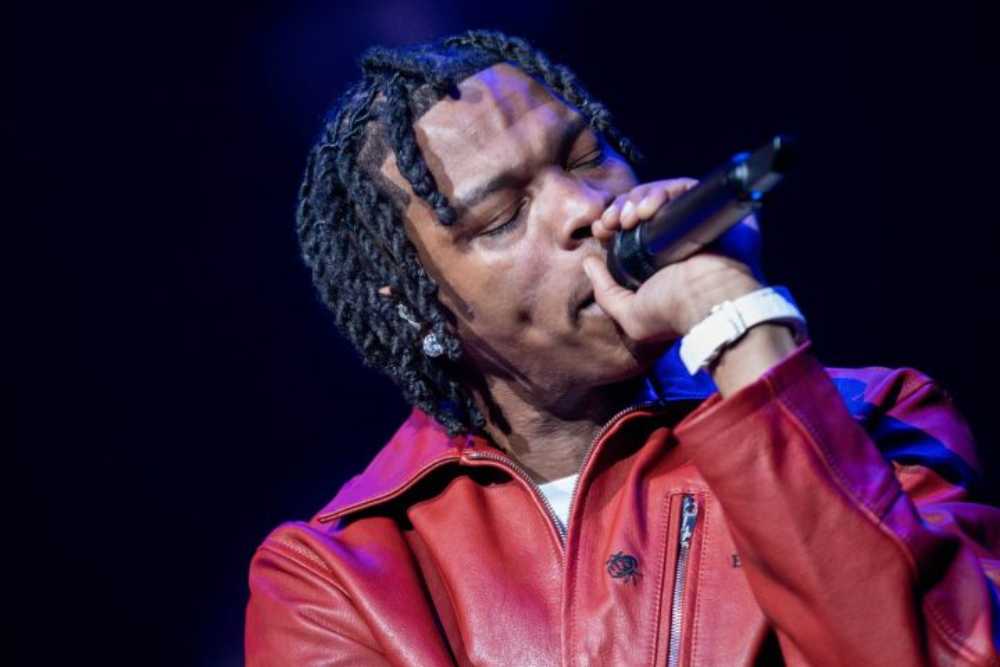
Lil Baby has never forgotten where he came from. The Atlanta rapper — born Dominique Jones — recently took his sons Loyal and Jason back to Oakland City, the historic southwestern Atlanta neighborhood where he grew up, hustled, and eventually found his way to superstardom. What started as a sentimental vlog quickly revealed something much bigger— Lil Baby is investing in the community, buying properties in the very blocks where he once had nothing, and making a stand against the gentrification that has been quietly erasing Black Atlanta for decades.
The YouTube vlog, titled Lil Baby Returns to His Old Atlanta Neighborhood With His Sons, has already surpassed 700,000 views — and the response makes clear that this moment resonated far beyond his fanbase.
Oakland City and the Gentrification Crisis
Oakland City has been home to Black and working-class families for generations. For decades, the neighborhood carried the weight of underfunded streets, limited resources, and high crime — challenges that its residents lived with while the rest of Atlanta developed around them. Over the past ten years, however, a sweeping revitalization campaign has transformed parts of the area, bringing new investment and rising property values that have come at a steep cost for longtime residents.
The numbers tell a sobering story
- Between 1980 and 2020, 155 historically Black Atlanta neighborhoods underwent a full racial turnover
- At least 261,000 fewer Black residents now live in historically Black neighborhoods
- Experts estimate the true figure could be closer to 500,000 when all gentrified areas are considered
- Dozens of Oakland City families have already been displaced as property values climb
For Lil Baby, those are not abstract statistics. They are the story of his community — and he is not willing to watch it disappear without a fight.
Lil Baby Puts His Foot Down
Standing in Oakland City with his sons by his side, Lil Baby was direct about his intentions. He spoke openly about the times he stood on those same streets with no lights, no running water, and nothing but determination keeping him there. Those streets made him. Now he wants to give something back to them.
His plan centers on purchasing properties in the areas where he grew up, with a focus on creating affordable living options for lower-income families — the exact demographic that gentrification has been pushing out. It is a business move, but it is also a deeply personal one, rooted in a sense of responsibility that money and fame have only amplified rather than dulled.
What makes Lil Baby’s approach stand out
- Investing directly in Oakland City rather than simply donating to outside organizations
- Targeting affordable housing for lower-class families most vulnerable to displacement
- Bringing his sons into the process to build generational wealth and awareness
- Using his platform and his vlog to shine a national spotlight on the issue
- Combining financial investment with cultural preservation and community identity
A Long History of Giving Back
Lil Baby’s investment in Oakland City is not an isolated act of generosity — it is the latest chapter in a long-standing commitment to Atlanta. Last Christmas, he partnered with fellow Atlanta rapper Lil Yachty for a toy drive that brought holiday relief to families across the city. He has consistently used his resources and his reach to support the community that shaped him, and this latest move raises the stakes considerably.
Like many artists who rose from Atlanta’s streets to its stages, Lil Baby understands that his success carries an obligation. The city gave him everything, and he has never pretended otherwise.
Why This Moment Matters
Lil Baby bringing his sons to Oakland City is a full-circle moment that carries weight beyond the personal. It is a father showing his children where they come from. It is a successful man choosing to invest in the place the world forgot rather than the place the world is watching. And it is a reminder that community preservation is not just a political issue — it is a human one.
As Atlanta continues to evolve and expand, the displacement of its Black residents remains one of the city’s most pressing and underreported crises. Lil Baby is not a policy maker or a nonprofit director. He is a rapper with resources, roots, and a clear sense of purpose — and right now, that may be exactly what Oakland City needs.
Source: The Root
