


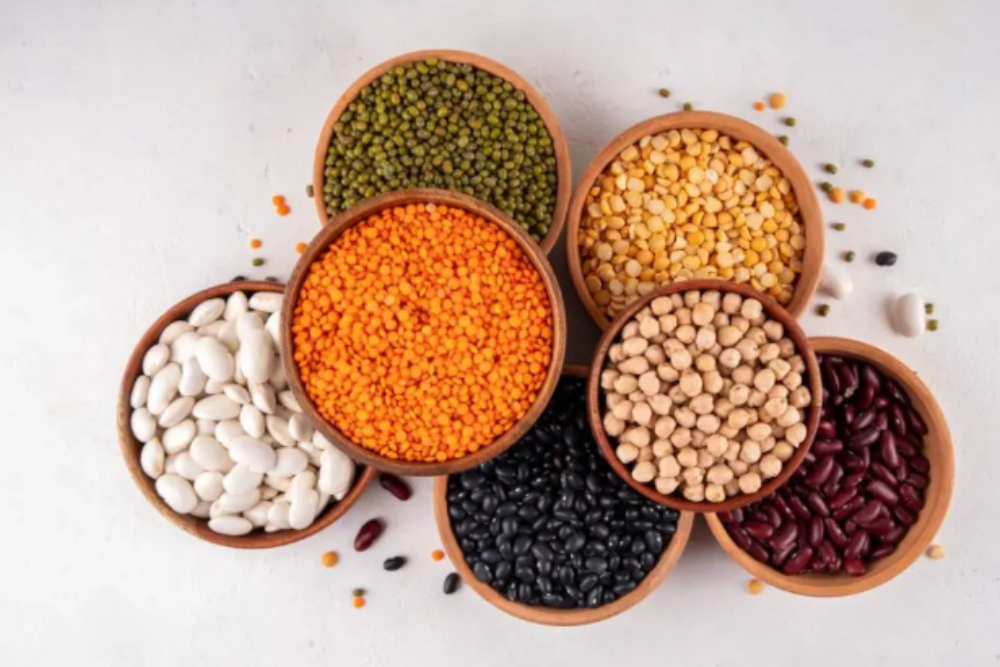
Lentils have been cultivated for more than 10,000 years, placing them among the earliest crops ever domesticated by humans. They appear in ancient texts, fed populations across the Middle East and South Asia for millennia, and remain central to traditional cooking in those regions today. That kind of longevity is not accidental. Lentils survived because they work, as a food source, as a protein, and increasingly, as a subject of serious nutritional research.
In Western countries, lentils spent decades living in the shadow of animal proteins. That is changing. As more people shift toward plant-based eating, lentils are showing up in mainstream grocery stores, restaurant menus, and nutrition studies in ways that would have seemed unlikely 20 years ago.
What lentils actually contain
Lentils belong to the legume family alongside beans, peas, and peanuts. They are classified as pulses, meaning they are the dried, edible seeds of plants. That classification does not begin to capture what they deliver nutritionally.
A half-cup serving provides a meaningful portion of the daily fiber intake most adults fall short on. Lentils are also rich in folate, a B vitamin that supports cell growth and metabolic function. And they deliver plant-based protein in amounts that hold up against more expensive alternatives, without animal products and without much cost at all.
They come in red, green, brown, and black varieties. Each behaves slightly differently in cooking, but all of them bring comparable nutritional value to the table.
Five reasons lentils have the attention of nutrition researchers
Recent studies, including research published in Nutrients and Current Research in Physiology, have pointed to a range of health benefits tied to regular lentil consumption.
First, lentils appear to support cardiovascular health by helping lower cholesterol levels. Second, the combination of fiber and protein slows digestion in a way that stabilizes blood glucose, which matters for people managing or trying to prevent type 2 diabetes. Third, that same combination makes lentils filling in a way that supports weight management without requiring large portions. Fourth, the fiber content promotes a healthy gut microbiome, which researchers have increasingly linked to broader immune and metabolic outcomes. Fifth, plant compounds found in lentils are associated with reduced risk of certain chronic diseases, though researchers note that more long-term study is still needed to fully understand the mechanisms involved.
None of these findings are fringe claims. They reflect a growing body of peer-reviewed work that has elevated lentils from humble pantry staple to legitimate focus of nutritional science.
How lentils actually cook
One of the practical advantages lentils hold over other protein sources is how little effort they require. Whole lentils take roughly 15 minutes to cook after a quick rinse. Split lentils cook even faster. They absorb the flavor of whatever liquid or seasoning surrounds them, which makes them adaptable across cuisines in a way that, say, a chicken breast is not.
Dried lentils store well too. Kept in a sealed container in a cool, dry place, they last up to a year, which puts them in a different category than fresh proteins that require careful refrigeration and frequent restocking.
Lentils in the kitchen today
The uses are broad. Lentils work in soups and stews, obviously, but also in salads, grain bowls, and as a substitute for ground meat in dishes like tacos, pasta sauces, and stuffed vegetables. That flexibility has helped them cross over from niche health food to mainstream ingredient.
For a food that predates recorded history, lentils have adapted remarkably well to the modern kitchen. And given what the research keeps finding, that presence is unlikely to fade anytime soon.
