


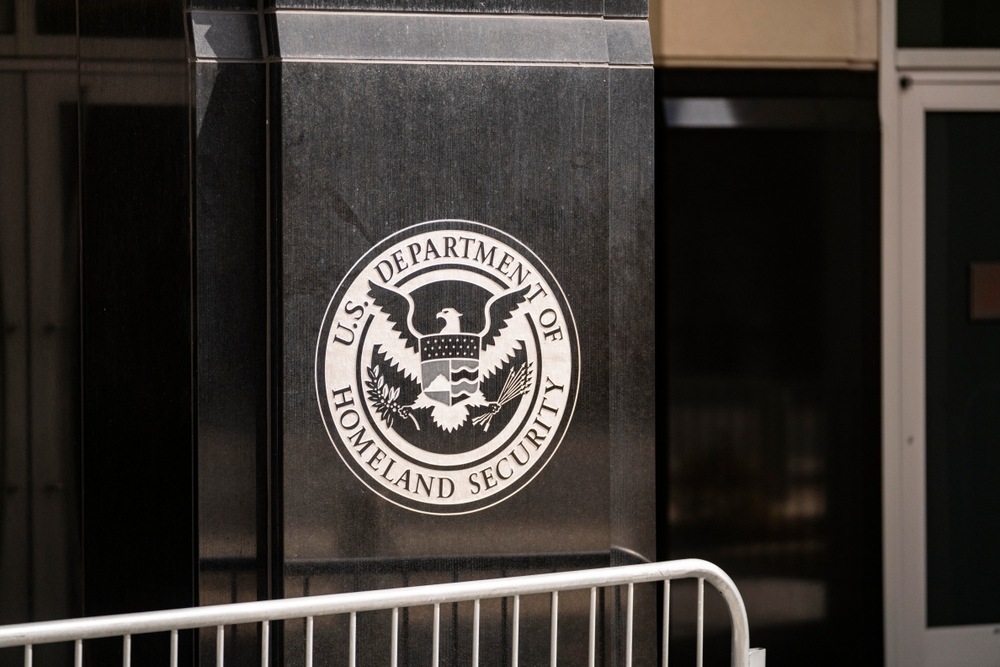
The United States House of Representatives has approved legislation to restore funding to the Department of Homeland Security, bringing an end to a shutdown that stretched for more than two months. The measure now heads to Donald Trump for final approval, closing a chapter marked by political friction and mounting operational strain.
The Homeland funding lapse disrupted key services tied to national security and travel, including airport screening operations. As the shutdown dragged on, concerns grew over delayed pay for thousands of federal workers and the broader stability of essential government functions.
Internal divisions shape outcome
The breakthrough came after weeks of disagreement within the Republican Party, where competing priorities stalled action. Party leaders ultimately advanced the bill using a procedural approach that allowed it to pass with support from Democrats, sidestepping resistance from conservative lawmakers who had opposed the compromise.
At the heart of the dispute was Homeland funding for immigration enforcement agencies. The approved measure restores most departmental operations but excludes new funding for Immigration and Customs Enforcement and parts of border enforcement. That omission became a sticking point for many Republicans, who argued that Homeland funding should remain intact across all branches.
Despite those objections, pressure intensified as lawmakers faced a looming recess and growing public frustration. The risk of further disruptions, particularly at airports, helped push leadership toward a resolution.
Immigration fight remains unresolved
The legislation resolves only part of a larger policy clash. Disagreements over immigration enforcement continue to divide lawmakers, with Democrats seeking stricter oversight of federal agents and Republicans pressing for expanded resources.
Plans are already underway to address the Homeland funding gap through a separate bill, potentially using a budget mechanism that allows passage without bipartisan backing. That approach could reignite tensions in the weeks ahead, as both parties attempt to shape the next phase of immigration policy.
The standoff has been fueled in part by recent incidents involving enforcement actions that heightened scrutiny of agency conduct. Those events deepened the divide and complicated negotiations, turning what is typically a funding debate into a broader conflict over policy direction.
Pressure builds as Shutdown Impact spreads
As the shutdown continued, its effects became increasingly visible. Long wait times at airports and uncertainty among federal employees underscored the practical consequences of the impasse. Emergency measures helped keep some operations running, but officials warned that temporary funding solutions were nearing their limits.
Lawmakers from both parties faced rising pressure to act, particularly those representing districts where disruptions were most visible. The decision to move forward with a partial funding plan reflected a calculation that restoring core operations could not wait for a broader agreement.
While the immediate crisis has been resolved, the episode highlights the challenges of governing amid deep partisan divides. The Homeland funding deal restores stability for now, but it leaves unresolved questions about immigration policy and the political dynamics that stalled action in the first place.
