


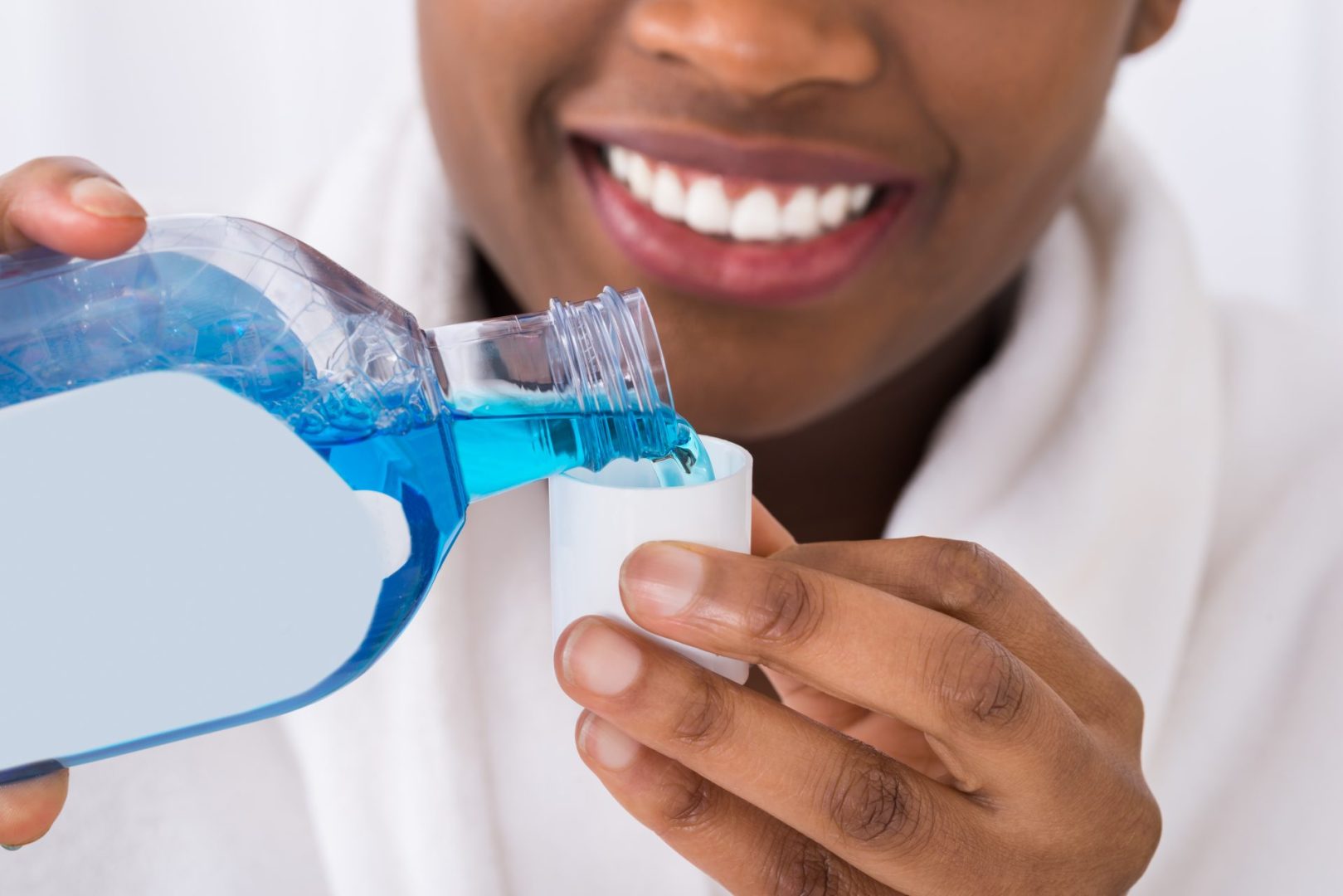
Mouthwash occupies an interesting place in oral hygiene. It feels like a finishing touch, a quick swish that leaves the mouth feeling clean and the breath smelling fresh. But dental professionals hold genuinely mixed views on whether it belongs in a daily routine at all, and some of what research is revealing about its effects goes well beyond the mouth. Understanding what mouthwash actually does, and what it does not do, changes how to think about using it.
The disagreement among dentists is real. Some consider a well-chosen mouthwash an essential part of oral hygiene, capable of reaching areas that brushing and flossing cannot access. Others view it as a supplemental option that adds value mainly for specific clinical needs, such as fluoride rinses for patients who are cavity-prone, and otherwise adds little to a solid mechanical routine. The consensus, if there is one, is that mouthwash does not replace brushing and flossing under any circumstances. Swishing liquid around the mouth does not remove plaque. Only the physical act of brushing and flossing does that.
What the burning sensation and alcohol content actually mean
The tingling or burning sensation that many people associate with an effective mouthwash is not a sign that the product is working harder. That sensation typically comes from alcohol content or artificial flavoring and signals irritation rather than cleaning action. High-alcohol formulations can dry out the mouth tissue over time, leaving it sore and vulnerable. For anyone prone to mouth sores or sensitive oral tissue, mouthwash with high alcohol content may cause more discomfort than benefit.
Alcohol is also one of the ingredients worth scrutinizing on the label. Sodium lauryl sulfate, a foaming agent found in many oral care products, is another compound that can trigger mouth ulcers in sensitive individuals. Opting for alcohol-free formulations and checking ingredient lists before purchasing is a worthwhile habit, and a dentist can help identify which type of rinse, if any, is most appropriate for a specific mouth.
Mouthwash and the oral microbiome
One of the more significant concerns that dental research has raised in recent years involves the impact of broad-spectrum antimicrobial mouthwashes on the oral microbiome. Antimicrobial agents including chlorhexidine and alcohol kill bacteria indiscriminately, meaning they cannot distinguish between harmful bacteria and the beneficial strains that support a healthy oral environment. Disrupting that balance can create conditions favorable to opportunistic infections, including oral thrush.
The issue extends potentially beyond oral health. Some research has focused on a specific group of oral bacteria that converts dietary nitrates found in vegetables into nitric oxide, a compound that plays a role in regulating blood pressure and cardiovascular function. Frequent use of antimicrobial rinses has been suggested as a factor that could disrupt those bacteria, raising questions about whether habitual mouthwash use has implications beyond the mouth. The research in this area is still developing and no causal relationship has been firmly established, but the mechanistic evidence is considered substantial enough by some professionals to warrant caution, particularly for anyone managing cardiovascular health.
When mouthwash can mask something worth knowing about
Fresh breath is one of the primary reasons people reach for mouthwash, but persistent bad breath can be a signal of something that deserves attention rather than a cosmetic problem to be neutralized. Chronic halitosis is often associated with underlying conditions including periodontal disease, dry mouth, or digestive issues. Using mouthwash to manage it without addressing the root cause delays the kind of evaluation that could catch a more serious problem early.
For people with no specific dental concerns, mouthwash with an alkaline pH that supports rather than disrupts healthy oral bacteria may be the most defensible daily choice. For everyone else, talking to a dentist before selecting a product is the most reliable way to match the rinse to the actual need.
