


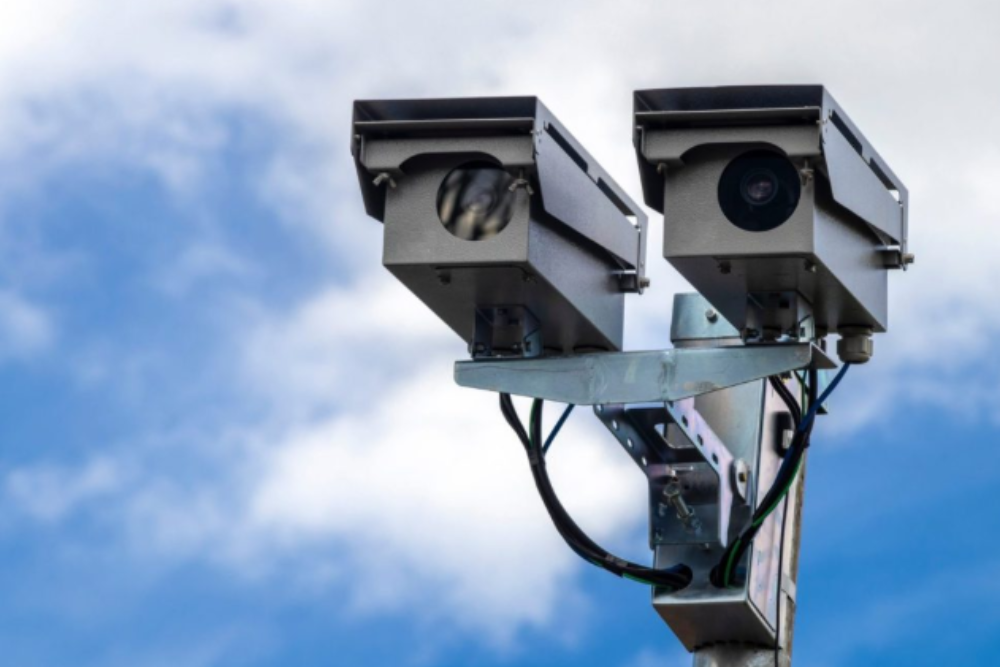
Drivers traveling through Northeast Philadelphia are entering a new phase of the city’s traffic safety campaign.
After a 60 day warning period, automated speed cameras installed along portions of Frankford Avenue and nearby streets are now issuing citations to motorists who exceed posted speed limits. The transition marks the latest expansion of Philadelphia’s growing reliance on automated traffic enforcement as officials continue efforts to reduce crashes and improve roadway safety.
The cameras became fully active shortly after midnight Thursday, ending a grace period during which drivers received warnings instead of penalties. City officials say the move is intended to address speeding in areas that have experienced a history of traffic related injuries and serious crashes.
Where Philadelphia cameras are now active
The enforcement program covers six locations across the corridor.
The cameras are positioned near 9900 Frankford Ave., 8300 Frankford Ave., 7000 Frankford Ave., 6400 Frankford Ave., 3100 Levick St. and 2100 Robbins St. Each site falls within areas where the speed limit is set at 25 mph.
Under the program, motorists traveling at least 11 mph above the posted limit can receive a citation generated by the automated system. The Philadelphia Parking Authority oversees the issuance of those violations.
For many drivers who regularly travel through the corridor, the shift from warnings to financial penalties represents a significant change in how traffic laws are being enforced.
How the fines are structured
The penalty system is designed to increase based on the severity of the violation.
Drivers recorded traveling between 11 and 19 mph above the speed limit face a $100 fine. Those traveling between 20 and 29 mph above the limit receive a $125 citation. Speeds exceeding the limit by 30 mph or more result in a $150 penalty.
Officials believe the escalating structure creates a stronger incentive for motorists to reduce their speed before entering camera monitored areas.
The strategy mirrors approaches already used in other sections of the city where automated enforcement has become a regular part of traffic safety efforts.
Community concerns remain
While city leaders view the cameras as a safety measure, some community groups have expressed concerns about the rollout.
In the days leading up to enforcement, several neighborhood organizations gathered outside a Philadelphia Parking Authority office to call for a temporary delay. Advocacy groups including The People’s Choice Movement, Men For Positive Change and Men Real Talk urged officials to postpone ticketing while additional reviews of the system were conducted.
Organizers distributed educational materials and gathered signatures supporting a proposed 90 day moratorium. They also raised questions about oversight, transparency and the accuracy of automated enforcement technology.
Those concerns reflect a broader national conversation about traffic cameras and the balance between public safety and accountability.
Why officials support the program
Despite opposition from some residents and advocacy groups, city officials moved forward with the planned enforcement schedule.
According to transportation leaders, automated speed cameras are deployed in locations where excessive speed has contributed to dangerous crashes and fatalities. Officials point to previous enforcement efforts that showed reductions in speeding after cameras were installed.
Supporters argue that slowing traffic benefits more than drivers. Pedestrians, cyclists and residents living along busy corridors can also experience safer conditions when vehicles travel closer to posted limits.
The Frankford Avenue initiative is part of Philadelphia’s broader Vision Zero inspired efforts aimed at reducing traffic related deaths and serious injuries.
A growing network across the city
The new corridor represents only one part of Philadelphia’s expanding enforcement system.
Earlier this year, additional speed cameras were installed in school zones throughout the city. Officials said those locations were selected to improve safety for students, parents and school staff.
The city also expanded enforcement along Broad Street, where dozens of automated cameras were introduced to monitor another heavily traveled roadway.
With the addition of the Frankford Avenue locations, Philadelphia now operates 80 automated speed cameras citywide. That total includes the longstanding network on Roosevelt Boulevard, one of the city’s most closely monitored traffic corridors.
For city leaders, the expansion reflects a long term strategy focused on reducing dangerous driving behaviors. For critics, it raises continuing questions about oversight and fairness.
As the cameras begin issuing citations, one reality is already clear. Drivers traveling through Northeast Philadelphia can no longer expect a warning. The city’s newest enforcement system is now fully active, and violations are carrying a financial cost.
