


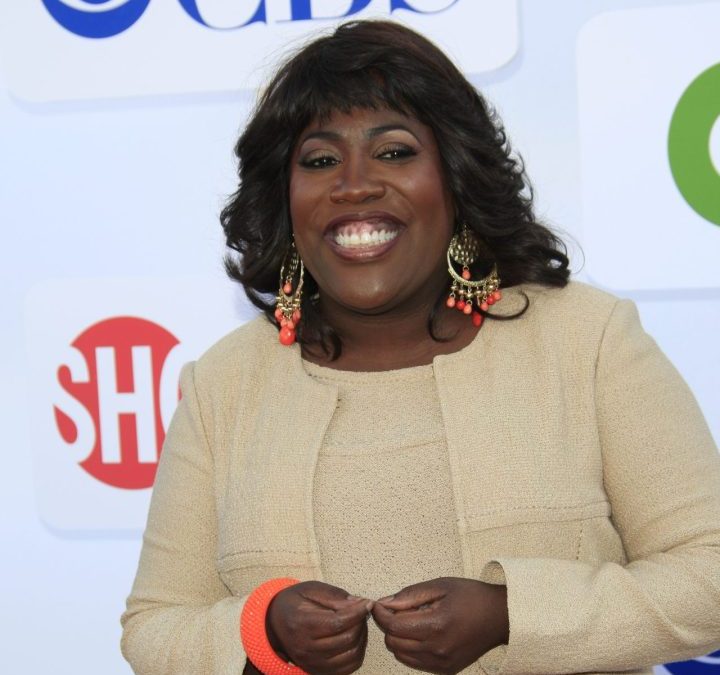
Sheryl Underwood was watching closely when Dwayne Johnson took the stage at Netflix’s The Roast of Kevin Hart, few people expected him to be the most talked-about name in the room the following day. But a joke he directed at NBA player Draymond Green that included a slur commonly used against people with disabilities quickly became the headline, pulling focus from the celebration itself and sparking a fresh debate about where comedy ends and harm begins.
Sheryl Underwood did not shy away from the conversation. The longtime comedian and television personality spoke publicly about the moment and came down firmly on the side of the genre, arguing that roast comedy operates under a completely different set of expectations than mainstream entertainment. Her position was not that the word was harmless, but that the format itself has always been defined by its willingness to go places that standard comedy avoids entirely.
Why she thinks the format earned it
Underwood’s defense of the moment rested on a broader argument about what roasts actually are and what they have always been designed to do. In her view, the entire point of the format is to create a space where uncomfortable topics can surface through humor in ways that would never land in a traditional setting. She drew a distinction between what is acceptable in scripted or mainstream comedy and what roast audiences sign up for when they tune in.
She also framed Johnson’s appearance as meaningful beyond just the joke itself. In her reading, his willingness to engage fully with the roast format and poke at his own complicated public image, particularly around ongoing conversations about his racial identity and how he presents himself publicly, gave the moment real weight. Rather than playing it safe, he leaned in, and Underwood suggested that decision ultimately brought the room together rather than dividing it.
A night she says was full of genuine love
Beyond the controversy, Underwood spoke warmly about the overall tone of the evening. She highlighted appearances from Usher and Katt Williams as moments that added to the sense that the people in the room genuinely cared about Kevin Hart, even as they were roasting him without mercy. In her view, the sharpness of the jokes made the affection feel more real rather than less.
She also acknowledged that she was not immune to the heat of the night herself. Jokes were directed at deeply personal parts of her life, including the death of her late husband decades ago. Rather than expressing discomfort about it, she described accepting those moments as part of what it means to participate in the format and what it means to believe in the freedom that comedy at its most unfiltered is supposed to represent.
The bigger question roast culture keeps raising
What Underwood’s defense really points to is a tension that comedy has never fully resolved. The roast format has existed for decades precisely because it offers permission to say things that would otherwise be off limits, and that permission is part of its appeal. But as those specials reach wider audiences through streaming platforms, the gap between what a roast room understands and what a general audience expects keeps getting harder to bridge.
Underwood’s take did not close that gap, but it offered a perspective grounded in decades of working in comedy, and that alone made it worth paying attention to.
