


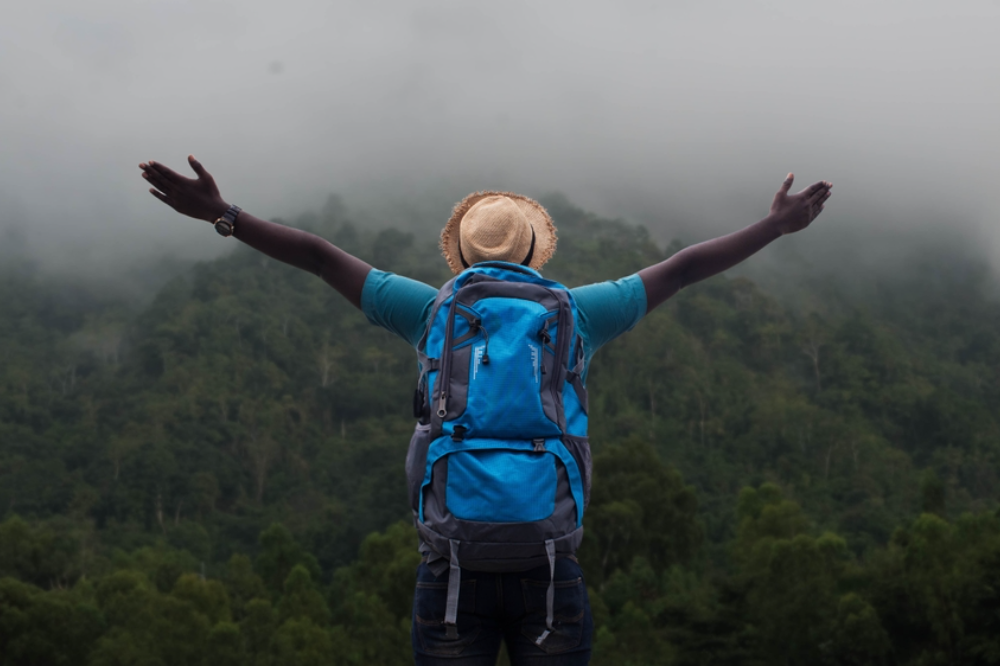
There is something quietly rebellious about booking a one-way ticket to somewhere you’ve never been, with no one else to consult, no itinerary to compromise on, and no one else’s comfort zone to consider. Solo travel is not just a trend — it is a full-blown movement, and for good reason. More people than ever are choosing to explore the world on their own terms, and what they are discovering along the way is nothing short of life-changing.
The solo travel market has exploded over the past decade. A growing wave of independent travelers — many of them first-timers — are trading group tours and pre-packaged vacations for self-directed adventures that place curiosity at the center of every decision. The result? Deeper connections, sharper instincts, and a confidence that no classroom or boardroom can manufacture.
Why Solo Travel Changes You
The transformation begins before you even board the plane. Planning your own trip from scratch — researching destinations, managing budgets, navigating visa requirements — exercises a part of your brain that most routines leave dormant. You become your own travel agent, historian, and logistics expert all at once.
Once you arrive, the shift accelerates. Without a companion to default to, you are forced to engage. You talk to locals. You ask for directions. You sit at a bar and strike up a conversation with a stranger who becomes, by dessert, someone you’ll remember for the rest of your life. Solo travel transforms even the most introverted traveler into a social creature, because necessity is a remarkable motivator.
Planning Your First Solo Trip
Starting smart makes all the difference. Here are the fundamentals every first-time solo traveler should lock in before departure
- Choose a beginner-friendly destination. Cities with strong public transportation, visible tourist infrastructure, and a reputation for safety are ideal for solo starters. Think Lisbon, Tokyo, Mexico City, or Cape Town.
- Book your first two nights in advance. Arriving somewhere new without a confirmed bed adds unnecessary stress. Secure your first couple of nights, then let the rest unfold organically.
- Get travel insurance — no exceptions. A single medical emergency abroad without coverage can derail not just your trip, but your finances for years.
- Share your itinerary with someone back home. A trusted friend or family member should know your rough plan and have copies of your key documents.
- Keep digital and physical copies of everything. Passport, insurance card, hotel addresses — duplicate them. Technology fails; paper doesn’t.
Solo Travel on a Budget
One of the greatest myths about solo travel is that it has to be expensive. The reality is the opposite — when you travel alone, every financial decision is yours. You eat where you want, stay where the value makes sense, and move at a pace that doesn’t require pricey convenience.
Hostels have undergone a renaissance. Modern solo-friendly hostels in cities like Medellín, Bangkok, and Nairobi now offer private rooms, co-working spaces, and curated social events that make meeting other travelers effortless. Combine that with local markets, street food, and free walking tours, and a week abroad can cost far less than a weekend resort stay back home.
Staying Safe While Traveling Alone
Safety is the concern most people raise first — and it deserves a real answer, not a dismissal. Solo travel does carry risk, but so does every worthwhile thing. The key is preparation and awareness.
- Research your destination’s specific safety landscape before you go — not just country-level advisories, but neighborhood-by-neighborhood realities.
- Avoid displaying expensive equipment in unfamiliar environments.
- Trust your gut. If a situation feels off, exit it.
- Stay connected. A local SIM card or an international data plan keeps you reachable and gives you access to maps, translation tools, and emergency services.
The Solo Travel Mindset
Beyond logistics, what separates a transformative solo trip from a stressful one is mindset. The travelers who come home changed are the ones who lean into discomfort rather than running from it. They sit with the loneliness on quiet evenings and let it teach them something. They eat alone at restaurants and realize, somewhere between the appetizer and the check, that they are excellent company.
Solo travel is not about escaping your life. It is about returning to it fuller. Every destination leaves a deposit — a new perspective, a new skill, a new story. And when you land back home, the world will look exactly the same. You, however, will not.
The bag is already half-packed. All that’s left is the decision.
