


Conversations surrounding representation, public safety and cultural legacy continue to influence communities across the United States, with several recent developments drawing particular attention within Black America.
From renewed criticism over the decision not to move forward with placing Harriet Tubman on the $20 bill to ongoing debates surrounding Atlanta’s controversial police training center and continued recognition of jazz icon Ahmad Jamal’s influence, each story reflects broader discussions about history, equality and the future.
Although each issue stands on its own, together they illustrate how policy decisions, public investment and cultural achievements continue to shape national conversations about race, justice and recognition.
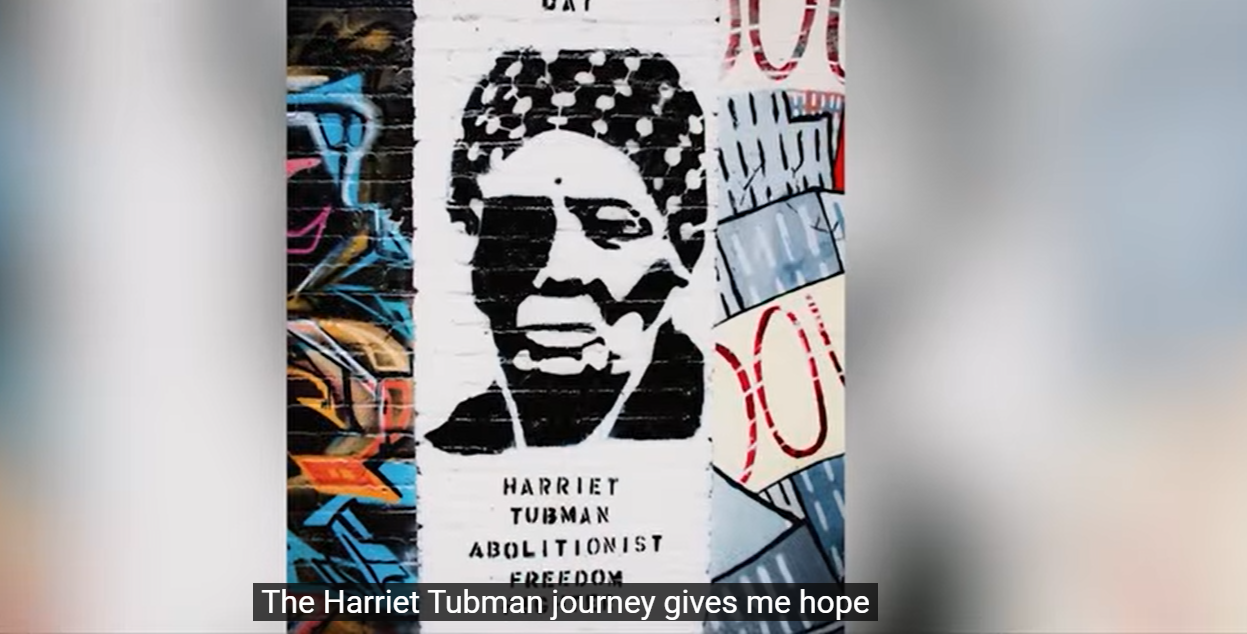
Harriet Tubman’s $20 bill redesign remains on hold
The long-discussed effort to feature abolitionist Harriet Tubman on the U.S. $20 bill remains stalled, disappointing many advocates who viewed the redesign as an important step toward recognizing Black history on one of the nation’s most widely circulated forms of currency.
The redesign initiative was first announced in 2016 and would have made Tubman the first Black American and the first woman in more than 100 years to appear on modern U.S. paper money.
Supporters have long argued that Tubman’s extraordinary leadership in guiding enslaved people to freedom through the Underground Railroad, along with her lifelong commitment to justice and equality, makes her one of the country’s most deserving historical figures.
The decision not to move forward with the redesign has renewed debate about whose stories are publicly honored and how historical figures are represented in national institutions. Critics say delaying the change sends an unfortunate message at a time when many Americans continue calling for broader recognition of the contributions made by African Americans throughout the nation’s history.
The discussion has also intensified alongside separate proposals involving future U.S. currency designs, prompting fresh questions about how America chooses to commemorate influential leaders.
Atlanta’s police training center continues to divide residents
Another issue generating national attention is Atlanta’s planned police and public safety training center, commonly referred to by opponents as Cop City.
The Atlanta City Council voted 11-4 to approve funding for the project after an extended public meeting that included hours of testimony and demonstrations from community members.
Supporters believe the facility will improve officer training and enhance public safety by providing updated educational resources and modern equipment.
Opponents, however, argue that the investment reflects misplaced priorities. Many community advocates believe city resources would be better directed toward affordable housing, youth programs, mental health services and other community initiatives designed to reduce crime before it occurs.
Critics have also expressed concern that expanding police training facilities could contribute to greater militarization of law enforcement rather than strengthening trust between officers and the neighborhoods they serve.
The debate reflects larger conversations taking place across the country as cities continue examining policing strategies following years of calls for criminal justice reform and greater accountability.
Ahmad Jamal’s musical legacy continues to inspire
While policy debates dominate many headlines, the cultural contributions of legendary jazz pianist Ahmad Jamal continue receiving widespread recognition following his death at age 92.
Born Frederick Russell Jones in Pittsburgh, Jamal emerged as one of jazz’s most influential musicians after developing his piano skills at an early age before relocating to Chicago, where his career flourished.
Over several decades, he became known for his distinctive style, blending elements of classical music with jazz while emphasizing space, rhythm and subtle improvisation.
His innovative performances influenced generations of musicians and helped redefine modern jazz, earning admiration from fellow artists across multiple genres.
Jamal’s personal journey also reflected important aspects of African American history. After converting to Islam, he embraced a new identity while continuing to evolve as both a performer and composer.
His career serves as a reminder of the lasting role Black artists have played in shaping American culture while inspiring future generations of musicians.
Conversations continue shaping the future
Although these stories involve different aspects of public life, they each highlight ongoing conversations about recognition, equity and community priorities.
Questions surrounding historical representation, government spending and cultural preservation remain central to discussions taking place in communities throughout the country.
For many advocates, meaningful progress requires continued civic engagement, public dialogue and participation in local and national decision making.
As these conversations evolve, community leaders, residents and policymakers alike continue weighing how today’s decisions may influence future generations.
Whether honoring historical figures, debating investments in public safety or celebrating artistic excellence, these issues underscore the importance of preserving history while working toward a more inclusive future.
