


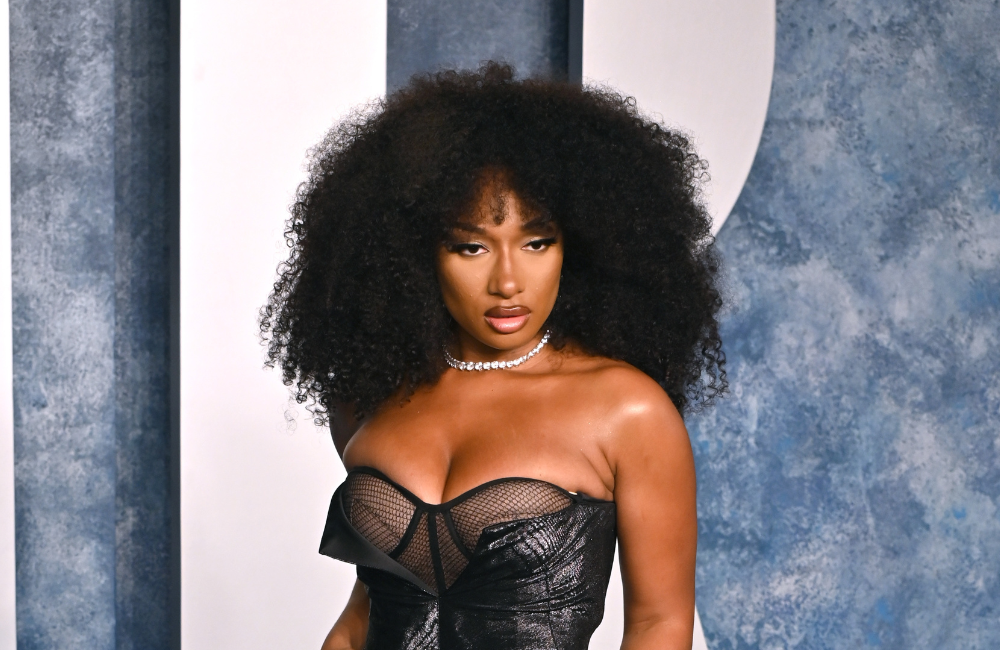
There are comebacks and then there are moments that remind an entire generation why certain artists never really go away. Juvenile’s return to the Billboard Hot 100 this week feels closer to the latter, and Megan Thee Stallion made sure the significance of it did not slip by unnoticed.
The two rappers’ new collaboration, B.B.B, debuted at number 67 on the Billboard Hot 100, a milestone that carries more weight than a typical chart placement. It marks Juvenile’s first appearance on the chart since 2006, when his track Rodeo made the list nearly two decades ago. When social media began celebrating the news, Megan Thee Stallion redirected the conversation toward her collaborator, making clear that the achievement belonged to a veteran whose influence on hip-hop runs far deeper than any single chart position.
A legacy that never needed reintroduction
For anyone who came of age in the late 1990s and early 2000s, Juvenile’s cultural footprint needs little explanation. The New Orleans rapper helped define an era of hip-hop that stretched from house parties to radio playlists to club floors across the country. Songs like Back That Azz Up and Slow Motion did not just top charts when they were released. They embedded themselves into the fabric of how a generation moved, dressed and celebrated.
His influence quietly shaped the artists who followed, including Megan Thee Stallion herself, whose Houston roots and commanding stage presence draw a clear line back to the kind of Southern rap bravado that Juvenile helped pioneer. For her, calling him a legend is not a promotional move. It reads as a genuine acknowledgment of the creative lineage she came from.
A new audience finds an old icon
What makes the B.B.B chart debut particularly meaningful is the audience it reaches. For older millennials, Juvenile is a cornerstone figure who requires no introduction. For younger listeners, including Gen Z and Gen Alpha, the song may represent their first real encounter with an artist who was shaping the culture before many of them were born.
That kind of cross-generational reach is rare and difficult to manufacture. It tends to happen organically when the music is strong enough to connect on its own terms, and when the pairing makes intuitive sense. Megan Thee Stallion and Juvenile share a Southern hip-hop foundation that makes their collaboration feel earned rather than calculated.
Eyes on the top of the chart
The momentum behind the song has not gone unacknowledged. Megan Thee Stallion has signaled publicly that she wants to push the track further up the chart, expressing a desire to get a music video completed as a way to sustain and grow the song’s visibility. A strong visual rollout could give B.B.B the additional fuel it needs to climb beyond its current position.
The return of B.B.B to the Hot 100 also arrives at a moment when conversations about female representation in hip-hop charting have been particularly active, adding another layer of cultural relevance to the song’s arrival.
For Juvenile, the chart appearance is a reminder that legacy and relevance are not mutually exclusive. For Megan Thee Stallion, it is a chance to do what great artists occasionally do best, not just make a hit, but make sure the people who made the genre possible get their flowers while they are still here to receive them.
