


Oral cancer does not get the same attention as some of the more widely discussed cancers, but it accounts for roughly three percent of all cancer diagnoses in the United States each year and is most commonly diagnosed in people over 40. It can develop on the tongue, gums, the floor of the mouth, the tissue lining the inner cheeks and the back of the throat. And while it has a range of contributing factors including age, sun exposure, HPV infection, genetics, poor nutrition and alcohol use, one risk factor consistently rises to the top of every clinical conversation about prevention.
Tobacco use is the most thoroughly documented risk factor for oral cancer. Every type of tobacco product, whether smoked or not, creates a toxic chemical environment in the mouth, and the longer and more frequently someone is exposed, the greater the damage accumulates over time.
What tobacco does to the tissue in your mouth
Tobacco smoke contains more than 70 chemicals classified as carcinogenic. When someone smokes, those chemicals coat the tongue, cheeks, gums and the floor of the mouth repeatedly over time, gradually damaging the DNA of the cells in those tissues. Cells with compromised DNA begin dividing in abnormal patterns, and that abnormal division is the biological starting point for cancer.
Tobacco also drives chronic inflammation, which creates conditions that further promote abnormal cell growth and interfere with the body’s normal ability to detect and correct mutations before they become dangerous. Frequent and prolonged exposure makes cellular damage not just possible but, according to dental experts, essentially inevitable.
Smokeless tobacco products carry their own distinct risks and in some respects pose an even more concentrated threat. Rather than dispersing chemicals through smoke, products like chewing tobacco and snuff hold carcinogenic compounds in direct contact with one spot in the mouth for extended periods. Tobacco-specific nitrosamines, chemicals formed during the processing and curing of tobacco, are among the most harmful of these compounds and have been linked to oral and esophageal cancers. Newer smokeless products and e-cigarettes may carry lower concentrations of some harmful chemicals, but the long-term health evidence on those alternatives remains limited.
The compounding effect of tobacco and alcohol
Used separately, both tobacco and alcohol raise oral cancer risk. Used together, their combined effect does not simply add up. It multiplies. Alcohol functions as a solvent in the mouth, making it easier for the carcinogens in tobacco to penetrate the tissues of the mouth and throat more deeply than they would on their own. The result is a dramatically elevated risk for anyone who regularly uses both.
The clearest path to reducing risk is complete cessation of tobacco use. Within five years of quitting, the risk of developing cancers of the mouth, throat and esophagus drops by half. Within ten to twenty years, a former user’s risk level approaches that of someone who never smoked at all. The mouth has a significant capacity to repair itself once exposure to harmful substances stops.
Supporting oral health beyond quitting
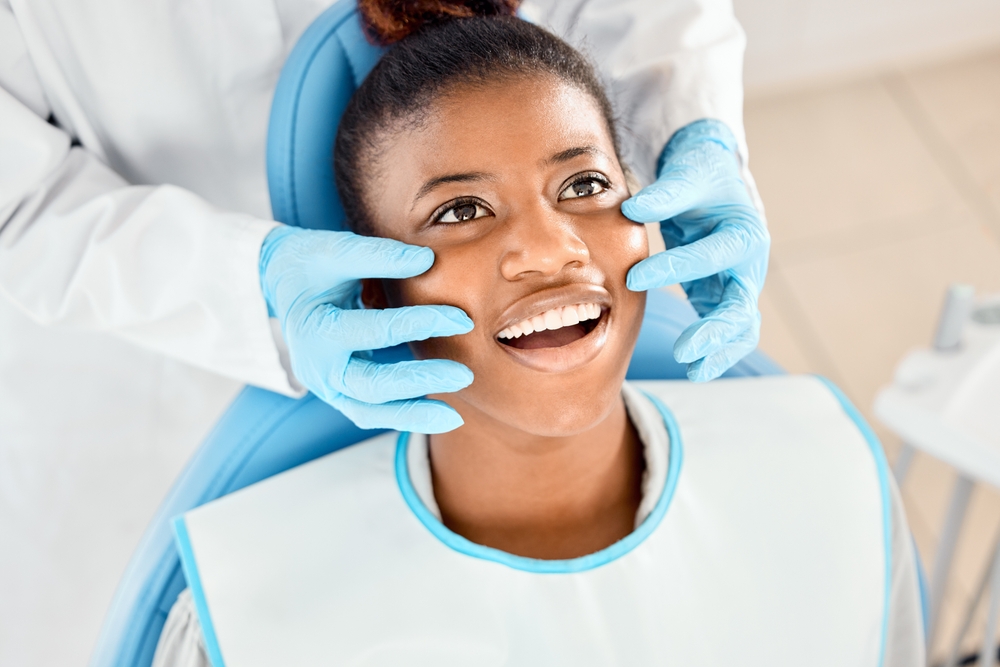
Giving up tobacco is the most impactful single change a person can make for their oral cancer risk, but it is not the only relevant one. Brushing twice daily and flossing regularly supports the overall health of oral tissues. Routine dental visits are important not just for cleaning but because a trained clinician can identify potentially dangerous changes in the mouth that a patient may not notice. An oral cancer screening takes under two minutes and can be requested specifically at any routine appointment.
Anyone who notices a persistent sore that does not heal, an unusual lump or an abnormal patch inside the mouth should schedule an appointment without waiting for a routine visit. For people with significant sun exposure, SPF lip balm reduces the risk of lip cancer specifically. And for those who have not yet received it, the HPV vaccine addresses a virus that has become a growing driver of oropharyngeal cancers, particularly in younger adults who have never used tobacco.
There is no safe level of tobacco use where oral cancer risk is concerned, but any reduction in use moves a person in the right direction, and complete cessation remains the most powerful protection available.
