


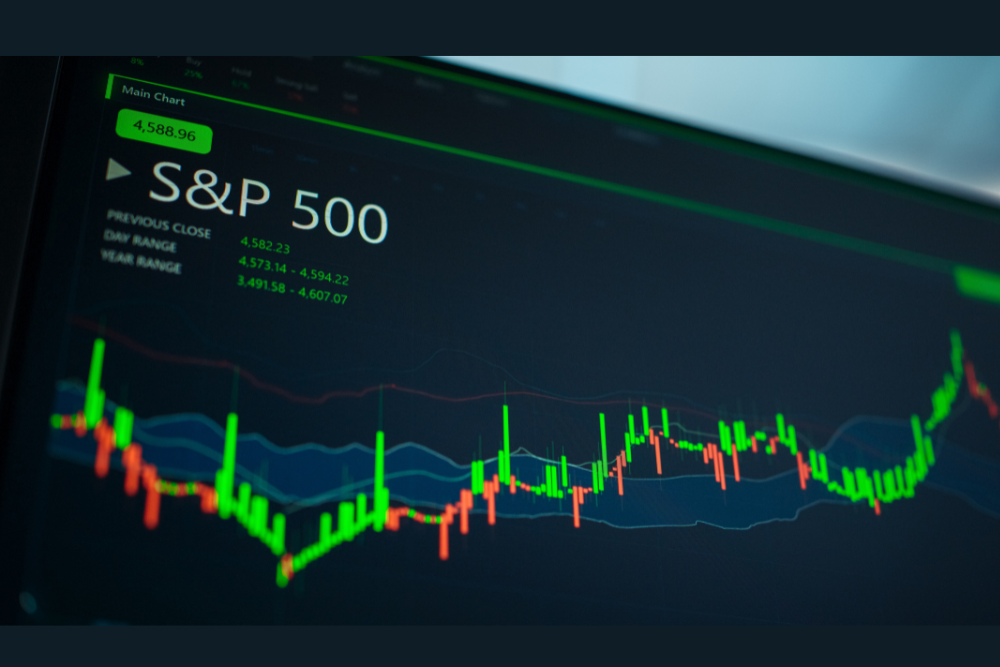
The stock market turned uneasy Tuesday after fresh inflation data and a sharp decline in semiconductor shares disrupted Wall Street’s recent momentum. The S&P 500 drifted lower throughout the trading session while the Nasdaq Composite suffered steeper losses as investors pulled back from major technology stocks. Investors closely watched the S&P 500 as volatility spread across major sectors.
Much of the pressure followed the release of April’s Consumer Price Index report, which showed inflation remaining stronger than expected. The update complicated expectations surrounding future Federal Reserve rate cuts and quickly reignited concerns about borrowing costs staying elevated longer than investors hoped. Analysts said the latest inflation data created immediate pressure on the S&P 500 and broader technology shares.
Technology companies absorbed the biggest losses of the day.
Semiconductor stocks tied to artificial intelligence infrastructure and data center expansion moved sharply lower as traders locked in profits following months of aggressive gains. The weakness spread across the broader tech sector and pushed the Nasdaq down more than 1% during intraday trading.
The S&P 500 also slipped into negative territory as investors reassessed market valuations and the broader economic outlook heading deeper into 2026. Several major companies within the S&P 500 experienced heavier selling pressure as bond yields climbed after the inflation report.
Why S&P 500 Pulled Back Tuesday
The S&P 500 struggled to recover after inflation data reshaped expectations around monetary policy. Many traders entered Tuesday hoping for signs that price pressures were finally cooling enough to support multiple Federal Reserve rate cuts later this year.
Instead, inflation remained stubborn.
That development immediately pressured growth stocks because higher interest rates typically reduce investor appetite for risk-heavy sectors like technology and artificial intelligence. Treasury yields climbed shortly after the CPI release, creating additional pressure on mega-cap tech shares that had carried much of the S&P 500 rally this year.
Oil prices also contributed to investor anxiety.
Growing geopolitical tension in the Middle East pushed energy prices higher, raising fears that inflation could remain elevated throughout the summer. Rising oil prices often impact transportation, manufacturing and consumer spending costs, which can eventually influence corporate profits and economic growth tied to the S&P 500.
Chip Stocks Suddenly Lose Momentum
Chipmakers became the center of Tuesday’s market weakness.
Semiconductor companies connected to AI development and cloud infrastructure experienced widespread selling as traders rotated away from high-valuation growth names. The pullback marked one of the more noticeable reversals for the sector in recent months after an extended rally fueled by excitement surrounding artificial intelligence.
Investors appeared increasingly cautious about whether current valuations across the chip industry can continue rising if interest rates remain elevated longer than expected. That uncertainty added fresh pressure to the S&P 500 during afternoon trading.
The broader technology sector quickly followed the decline.
Once chip stocks weakened, losses spread across software, hardware and cloud-related companies tied closely to AI spending trends. That chain reaction amplified pressure on the Nasdaq while preventing the S&P 500 from regaining positive momentum before the closing bell.
Inflation Continues To Control Wall Street
Inflation once again became the dominant force shaping investor behavior.
Although consumer spending remains relatively strong, elevated costs tied to housing, transportation and energy continue complicating the Federal Reserve’s effort to fully stabilize inflation without damaging economic growth. Tuesday’s CPI report reinforced concerns that the inflation battle may last longer than many investors anticipated earlier this year.
That uncertainty continues influencing nearly every major market sector.
For months, Wall Street largely operated under the assumption that inflation would gradually cool while artificial intelligence demand continued lifting technology stocks higher. Tuesday’s market reaction challenged both narratives at the same time and placed renewed focus on the S&P 500.
The S&P 500 still remains near historically elevated territory despite the decline, but investor confidence appears increasingly sensitive to inflation surprises and shifts in interest rate expectations.
What Investors Are Watching Next
Attention now shifts toward upcoming economic reports and future Federal Reserve commentary.
Investors will closely monitor retail sales data, labor market updates and earnings guidance from major technology companies over the coming weeks. Any indication that inflation remains persistent could place additional pressure on equities, especially within the technology sector and the S&P 500.
At the same time, traders remain focused on whether semiconductor companies can maintain strong revenue growth despite rising market volatility and tighter financial conditions.
Tuesday’s decline may ultimately become a short-term pullback, but it also served as another reminder that inflation and interest rates still control much of Wall Street’s direction in 2026.
Source: Yahoo Finance
