


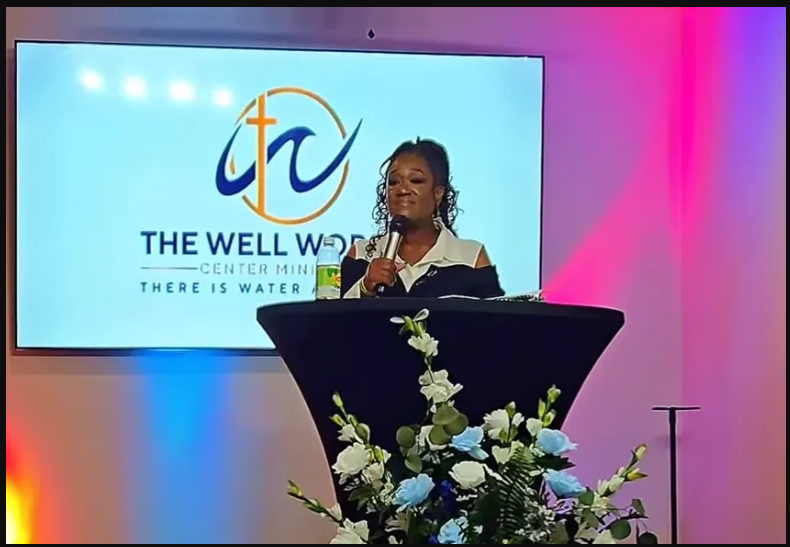
Pastor Tammy McCollum had just finished her Resurrection Sunday sermon at The Well Worship Center in Statesville, North Carolina, when she was shot and killed inside her home. Her husband, Eddie McCollum, was arrested and charged with first-degree murder. To those in her congregation, the killing came without warning. To researchers who study violence against Black women, it fit a pattern that has been visible for years.
A death that reflects something larger
McCollum’s murder was not an isolated tragedy. It belongs to a broader and well-documented crisis. Research shows that approximately 40% of Black women experience intimate partner violence, sexual violence, or stalking during their lifetimes. Black women are 2.5 times more likely to be killed by an intimate partner than white women. Those numbers do not shift when a woman holds a position of religious authority. If anything, the expectations attached to that authority can make it harder for her to acknowledge what is happening at home.
Black women make up a significant share of American churchgoers but hold fewer than 10% of clergy or church leadership positions. That underrepresentation concentrates power in ways that can leave women pastors more isolated and more reluctant to surface problems that might threaten the credibility they have worked hard to establish. The congregation may see a strong, composed leader. The marriage may tell a different story entirely.
Why Black women clergy face unique barriers to reporting abuse
The reluctance to report abuse in this community is not simple to explain, and it cannot be reduced to fear alone. Black women clergy navigate multiple pressures simultaneously: the expectation that they embody strength and resilience for their congregations, the awareness that speaking out could cost them standing in their community, and a well-founded distrust of law enforcement systems that have not historically protected Black women with any consistency.
Rev. Dr. Michele Balamani Silvera, a retired counselor and pastor, has spoken to the need for these conversations to become routine rather than exceptional. She has emphasized that abuse is no less prevalent among women in ministry than it is among women generally, and that the pastoral role does not insulate anyone from it. Her point is not complicated but it runs against a cultural assumption that women in positions of spiritual authority should be able to manage whatever happens in their private lives.
Rev. Silvera has also addressed the practical dimension of leaving an abusive situation. She has advised women in these circumstances to confide in people they trust outside the abuser’s network, and to avoid seeking help from anyone whose loyalty might be divided. She has spoken about the importance of being prepared to leave quickly when the moment comes and of treating personal safety as the overriding concern when violence is present or imminent.
What communities of faith can do right now
The response to Pastor McCollum’s death has come largely from within faith communities, and that is where the most immediate change is possible. The conversation that her murder started does not have to end with the news cycle. Churches that hold space for discussions about mental health, financial stress, and family conflict can hold the same space for conversations about abuse. Creating that environment is not a theological question. It is a basic question of whether a community is actually safe for the people who lead it.
Women clergy who are in abusive situations, or who suspect a colleague may be, are encouraged to contact the National Domestic Violence Hotline for confidential support. The line is available 24 hours a day and connects callers with trained advocates who can help develop a safety plan suited to the specific circumstances involved.
