


The tone of global politics often shifts far from the places it affects most. In Greenland, that distance has narrowed in recent months.
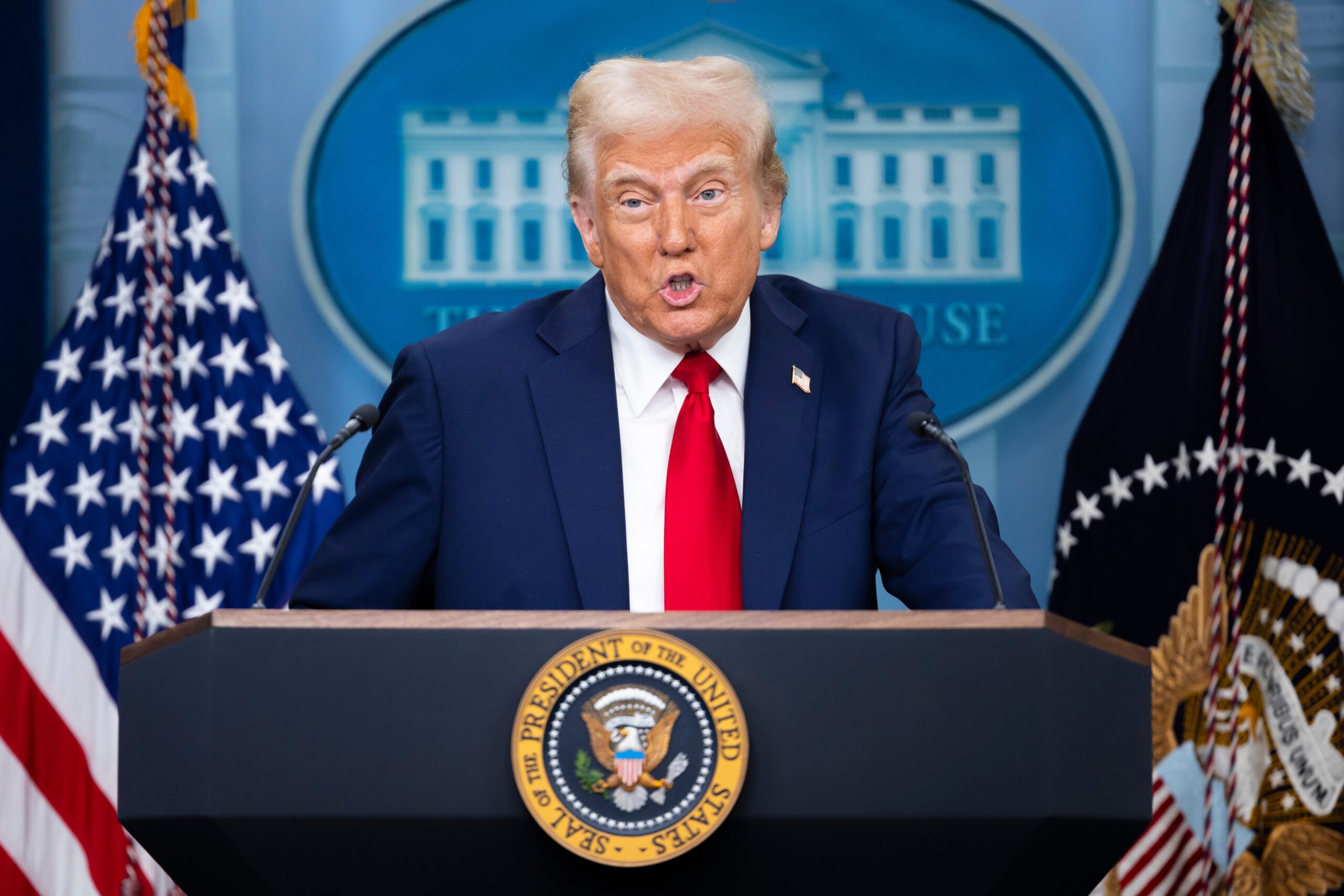
Jens Frederik Nielsen, the territory’s prime minister, has voiced concern that rhetoric from Donald Trump is creating unease among residents. In a recent interview, he described a growing sense of anxiety tied to repeated suggestions that the United States could seek greater control over the island.
For many in Greenland, the issue is no longer abstract. It has begun to shape daily life in subtle but noticeable ways.
Greenland feels the weight of uncertainty
Nielsen said the atmosphere across the island has shifted. Conversations that once centered on local concerns now carry an undercurrent of geopolitical tension.
Parents have grown more cautious. Community events have been scaled back. The changes are not dramatic, but they reflect a broader sense of discomfort. The idea that a larger power could assert control, even rhetorically, has unsettled many residents.
The concern is rooted less in immediate action and more in tone. Words, when repeated often enough, begin to carry weight.
Trump rhetoric revives old tensions
Interest from Washington in Greenland is not new. During his time in office, Trump floated the idea of acquiring the island, a suggestion that drew swift rejection from Denmark and officials in Greenland.
In recent remarks, that interest has resurfaced in sharper language. Descriptions of the territory and its governance have drawn criticism, with leaders warning that such framing risks straining relationships with allies.
The United States maintains a strategic interest in the Arctic, where shifting ice patterns and emerging shipping routes have increased global attention. Greenland sits at the center of that geography, making it significant far beyond its population size.
Sovereignty remains the central issue
For Nielsen, the conversation returns to one point. Greenland is not for sale.
He has made clear that while cooperation with the United States remains important, it must be grounded in mutual respect. The island operates as a self governing territory within the Kingdom of Denmark, and any future agreements must reflect that status.
The United States already maintains a military presence under a long standing defense agreement. That arrangement has not been the source of tension. Instead, it is the suggestion of expanded control that has raised concern.
Nielsen emphasized that Greenland’s leadership is aware of its strategic value but intends to define its future on its own terms.
A broader geopolitical ripple
The unease in Greenland mirrors a wider pattern. Smaller nations often find themselves navigating the ambitions of larger powers, particularly in regions of growing strategic importance.
Recent global conflicts and shifting alliances have heightened sensitivity to such dynamics. In that context, even hypothetical scenarios can feel immediate.
Nielsen acknowledged that some residents have drawn parallels to other international situations, where pressure escalated quickly. While those comparisons may not reflect current realities, they illustrate how perception shapes public sentiment.
Greenland seeks partnership without pressure
Despite the tension, dialogue continues. Officials from Greenland, Denmark and the United States remain in contact through established channels.
Nielsen has expressed openness to stronger ties, particularly in areas like security and economic development. But he has drawn a firm line around sovereignty.
Partnership, in his view, must be collaborative rather than coercive. That distinction defines how Greenland hopes to engage with larger powers moving forward.
Greenland at a crossroads
The situation underscores a broader challenge in modern geopolitics. Strategic importance can bring opportunity, but it also invites pressure.
For Greenland, the path ahead involves balancing those forces while maintaining control over its own future. The island’s leadership is signaling that it welcomes cooperation but not at the cost of autonomy.
As discussions continue, the focus will remain on whether rhetoric gives way to diplomacy. For now, the message from Nuuk is clear. Respect matters as much as strategy.
