


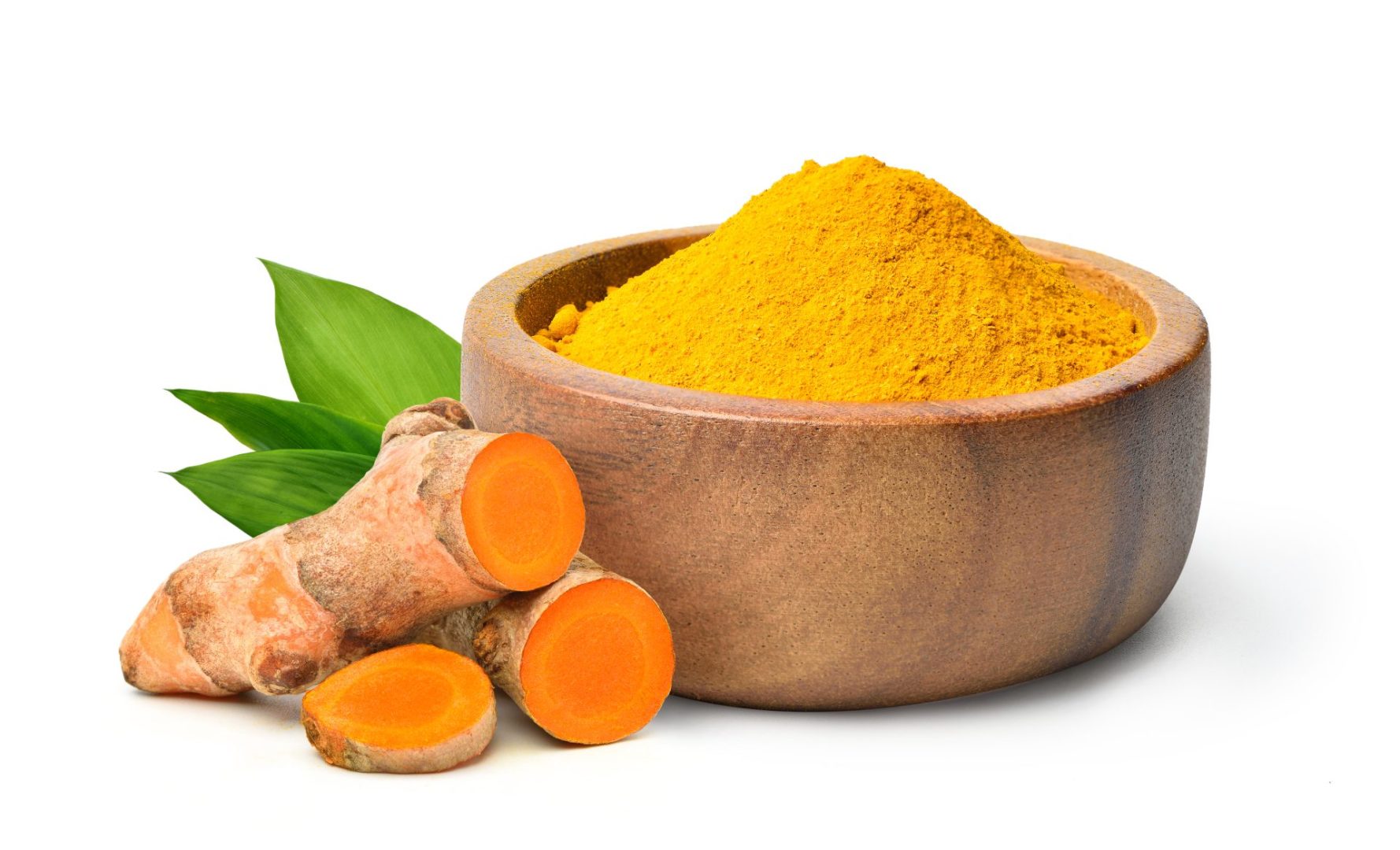
It sits in nearly every wellness cabinet, gets stirred into morning lattes and shows up in supplement form with claims that range from reducing inflammation to supporting joint health. For millions of people, turmeric has become a daily ritual, and the assumption underlying all of it is that something natural must also be safe. That assumption, experts are now warning, deserves a serious second look.
The concern is not with the spice itself when used in cooking. It is with the concentrated supplements that deliver far higher doses of curcumin, the active compound in turmeric, than anything that would appear naturally in food. Independent testing organizations have recently flagged turmeric products for liver risks and possible contamination issues, and medical professionals are seeing increasing cases of people experiencing real harm from what they believed was a harmless health habit.
Turmeric overdose and what it can do to the body
The list of potential side effects from excessive turmeric supplementation is longer than most users realize. At the digestive level, high doses can cause nausea, bloating, cramping, heartburn, acid reflux and diarrhea. These are among the more common early signs that the body is receiving more than it can comfortably process.
More seriously, turmeric acts as a natural blood thinner. At elevated doses it can interfere with normal clotting, increasing the risk of prolonged bleeding from even minor injuries. People who take blood-thinning medications are at particular risk, as the combination can amplify the effect to dangerous levels. Dental professionals have noted that patients taking more than 500 mg daily may experience extended bleeding during routine procedures and are typically advised to stop supplementing for up to ten days before any surgery involving incisions or bone.
Blood sugar is another area of concern. The curcumin compound has been shown in research to lower blood sugar levels, which can be beneficial in certain contexts but potentially dangerous if levels drop too far, causing fatigue, dizziness and in severe cases more serious complications. People managing diabetes with medication face compounded risk when adding high-dose turmeric to their routine without medical guidance.
Liver damage, while less common, represents the most serious potential consequence. Warning signs include dark urine, persistent fatigue, nausea, abdominal pain and yellowing of the skin or eyes. The mechanism is similar to what is seen with drug-induced liver injury, where the liver and kidneys become overwhelmed processing compounds that share metabolic pathways with medications, leading to toxic buildup. Medical professionals treating patients with unexplained liver strain are increasingly asking about supplement use as part of their intake process.
Turmeric and the side effects most people are not watching for
Several less discussed effects deserve attention as well. High-dose turmeric can cause the skin to take on a yellowish or jaundiced appearance and has been linked to rashes when used in topical products. It can overstimulate the gallbladder, worsening existing gallbladder conditions or increasing the risk of gallstone complications. People with hormone-sensitive conditions including endometriosis, fibroids and certain cancers should exercise particular caution, as curcumin is known to mimic estrogen in the body and may aggravate those conditions.
Tooth staining is an additional consideration that often catches people off guard. Turmeric is one of the most aggressively pigmenting substances that can come into contact with teeth, capable of undoing whitening treatments faster than coffee or red wine. At high doses it can also irritate the soft tissue inside the mouth, particularly when it interacts with common toothpaste or mouthwash ingredients.
How to keep using turmeric without the risk
None of this means turmeric needs to be eliminated. The side effects described above are largely associated with high-dose supplements rather than culinary use. Adding turmeric to food in normal cooking quantities remains a safe and potentially beneficial practice, and the spice continues to have a legitimate place in a balanced diet.
For those using supplements, keeping the daily dose under 500 mg is the general guidance, though individual needs and health conditions vary enough that consulting a healthcare provider before supplementing is always the more informed approach. Choosing products that have been independently tested for quality and purity adds another layer of protection. And paying attention to the body’s signals, particularly any changes in digestion, energy, skin color or bleeding patterns, is essential for catching problems early before they escalate into something more serious.
The takeaway is not that turmeric is dangerous. It is that dose matters, and the assumption that natural equals safe is one worth retiring.
