


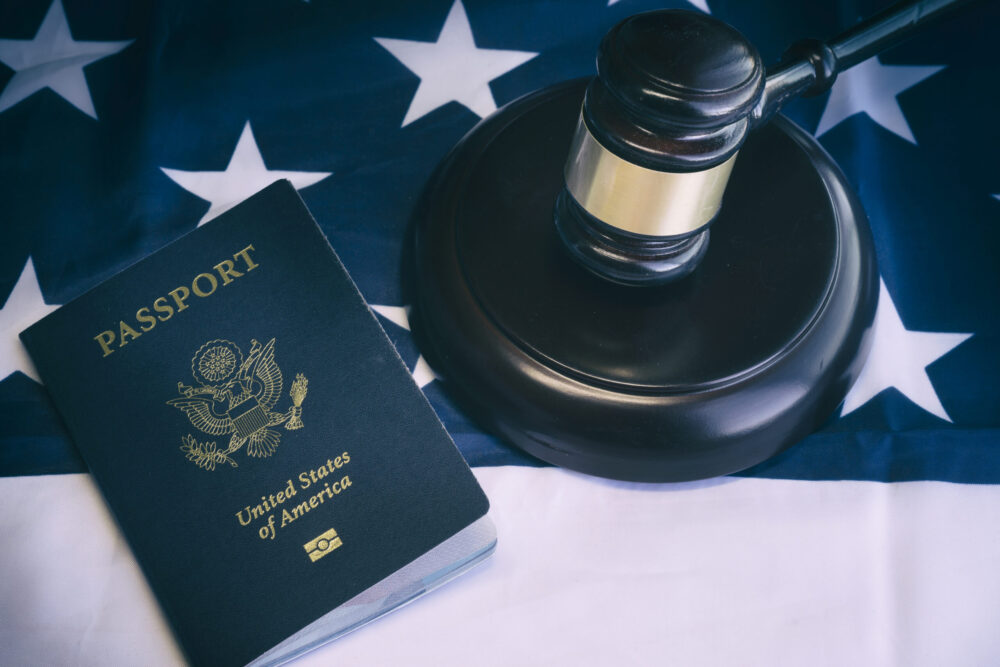
Parents across the United States could soon face new travel restrictions under a tougher federal effort aimed at enforcing unpaid child support obligations.
Beginning May 8, the U.S. State Department will start revoking passports from individuals who owe $100,000 or more in unpaid child support. Federal officials say the policy is intended to increase compliance and encourage overdue payments that directly affect children and families.
The first stage of the initiative is expected to impact roughly 2,700 people. However, government officials have already signaled that the policy will likely expand in the coming months, potentially affecting far more parents nationwide.
Why the government is tightening enforcement
Child support enforcement has long been a priority for federal and state agencies, particularly in cases involving large overdue balances. Officials believe stricter travel restrictions could push parents with significant debt to resolve their cases more quickly.
The current phase targets parents with debts exceeding $100,000.
A future expansion could lower the threshold dramatically to $2,500.
Federal agencies say the goal is to ensure children receive consistent financial support.
The State Department already has authority to deny passport applications in certain child support cases. The latest move goes a step further by actively revoking valid passports from qualifying individuals.
Supporters of the policy argue that stronger enforcement tools are necessary because unpaid child support can create long-term financial hardship for custodial parents and children. Many families rely on those payments for housing, food, education, medical care, and daily living expenses.
Thousands of parents may eventually be affected
While the initial number of affected individuals is relatively small, the proposed expansion could dramatically increase the scope of the program.
If the threshold drops to $2,500, millions of Americans with overdue child support balances could potentially face passport restrictions. That possibility has already sparked concern among advocacy groups and legal experts.
For some parents, international travel is tied directly to employment opportunities. Others rely on passports for family visits, vacations, or maintaining relationships with children who live abroad.
Critics of the policy argue that restricting travel could create additional financial pressure on already struggling parents, especially if their jobs require international movement. Others worry the policy may disproportionately affect lower-income individuals who are dealing with unemployment or financial instability.
Still, supporters say accountability remains essential and that unpaid child support can place enormous strain on custodial families trying to meet basic needs.
Legal experts urge parents to act quickly
Attorneys and family law advocates are encouraging parents with overdue balances to address their cases before enforcement actions begin.
Parents may be able to negotiate payment plans.
Some may qualify for modified child support orders based on income changes.
Others could seek legal guidance to avoid additional penalties.
Family law experts also stress the importance of communicating directly with child support enforcement agencies rather than ignoring notices or court orders.
In many situations, unpaid balances continue to grow because of interest, penalties, or missed hearings. Resolving the issue early may help parents avoid more severe consequences tied to travel and identification documents.
Families react to the growing crackdown
Reaction to the policy has been divided across communities and online discussions.
Some parents and advocacy organizations believe the tougher rules send a strong message about parental responsibility. They argue that children should not suffer financially when support obligations go unpaid for years.
Others say the government should focus more heavily on employment assistance, mediation programs, and financial counseling rather than punitive restrictions.
The policy also raises broader questions about how far federal agencies should go in enforcing family court obligations. Passport revocation represents one of the most visible penalties available because it can directly interfere with a person’s mobility and personal life.
Despite the debate, officials appear committed to moving forward with the expanded enforcement strategy.
What parents should know moving forward
Parents who owe child support are being encouraged to review their payment records and remain informed about possible enforcement actions.
Federal agencies have not yet announced a timeline for lowering the threshold to $2,500, but officials have indicated the expansion is under consideration as part of broader child support enforcement efforts.
For families already dealing with financial challenges, the policy serves as a reminder of how seriously unpaid child support cases are treated at the federal level.
As the program develops, legal experts say early action and open communication may be the best way for parents to avoid travel disruptions and additional penalties tied to overdue child support obligations.
