


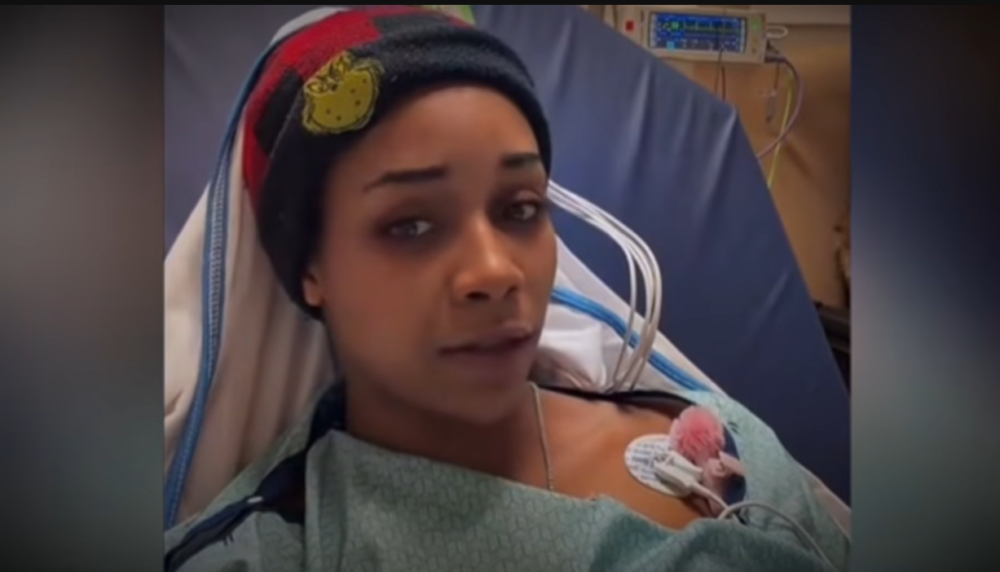
Fedha Sinon, the influencer and reality TV personality widely known as Pinkydoll, is opening up about a health crisis that very nearly cost her her life. On April 11, she was rushed to the hospital after experiencing three separate heart attack episodes in a single day an ordeal she described to her followers on TikTok in raw, emotional terms.
In the video, she recounted lying in a hospital bed for hours while medical staff monitored her heart closely, restricting even her water intake out of fear that any small change could make things worse. She told her audience she was genuinely scared not performing for the camera, not exaggerating for content, but truly frightened and fighting to survive.
The episode is not her first serious health scare. Just months earlier, Pinkydoll faced kidney failure episodes that doctors linked to substance abuse and an overall unhealthy lifestyle. That experience pushed her to begin speaking more openly to her audience which skews young about the very real consequences of ignoring your body’s warning signs.
A pattern emerging among young celebrities
Pinkydoll’s situation is not an isolated one. A growing number of young, high-profile figures have recently confronted serious health challenges that shattered any illusion of invincibility that often comes with being young and in the public eye. Megan Thee Stallion and Ray J are among those who have faced significant health scares in recent months, adding their names to a list that continues to grow.
The broader picture is difficult to dismiss. Medical data shows strokes are occurring at increasing rates among young women, with Black postpartum women among the most affected. Autoimmune disorders are being diagnosed more frequently in younger adults, with celebrities like Solange Knowles and Tyler James Williams speaking out about their own diagnoses. Perhaps most concerning, colon cancer is now on track to become one of the leading cancer killers among adults under 50 a statistic that would have seemed unlikely just a generation ago.
For Pinkydoll, the message is personal. She has told her followers plainly that youth is not a shield. The habits and choices made in your 20s and early 30s do not politely wait decades before showing up as consequences. They can arrive fast, and they can arrive hard.
Young people are starting to pay attention
There is, however, reason for measured optimism. Behavioral trends among younger generations suggest a real, if gradual, shift in how they approach their own well being. Alcohol consumption among adults under 30 has been declining for several years, with many young people replacing drinking culture with more mindful alternatives, including cannabis use or simply choosing not to drink at all. The concept of wellness has moved from a niche interest to something closer to a mainstream priority for Gen Z and younger millennials.
This cultural shift is meaningful, even if it has not yet translated into measurable improvements in health outcomes across the board. Awareness is a starting point, even when it is not sufficient on its own.
Why preventative care cannot be an afterthought
Health professionals have long emphasized that awareness without action closes no gaps. Regular checkups, routine blood work, and honest conversations with doctors about family medical history are tools that can catch problems before they become emergencies. The challenge is that young adults often feel too busy, too healthy, or too financially stretched to prioritize care that does not feel immediately necessary.
Pinkydoll’s story cuts through that reasoning in a way that statistics alone rarely do. She is in her 30s, she has a platform, she has fans who look up to her and she spent a day in a hospital bed wondering if she would make it home. That kind of visibility matters, particularly for younger Black women who face disproportionate health risks that are often underdiscussed and underdiagnosed.
Resources for those who need support
For anyone currently struggling with substance use, the SAMHSA National Helpline provides free, confidential, 24/7 referral and information services and can be reached at 1-800-662-HELP (4357). For culturally competent mental health support, Therapy for Black Girls is also a valuable resource for non-emergency care.
Pinkydoll’s message, stripped down to its core, is simple: your health is not something you can reclaim once it is gone. Take it seriously now, while you still can.
